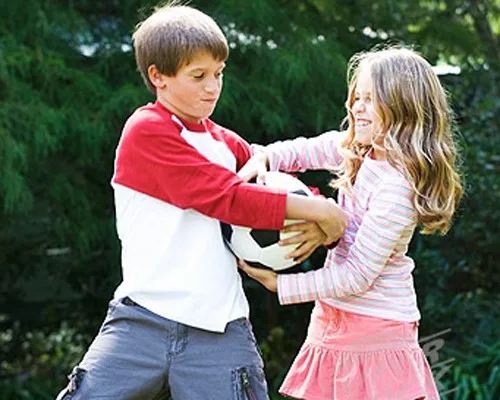

A hyperactive ç the child can be a source of distress and distress both parents and other members of the family.
ÇIsolately think you can help your child control his behavior;in Çand Family Psychiatrist Prof. Dr. Yanki Yazgan’and you can use his parts. nbsp;n

ç with hyperactive problems is normal for children to have trouble focusing and acting at some point. Ç when these symptoms continue, they may have difficulties in school, home or friends. ;
Hyperactive Ç Parents With Children I> Becoming Right
1. Ç What Is Hyperactive in Children?
Hyperactive is an unusual or abnormal state of activity. Usually hyperactive ç is a problem around the children, and families and &o&no; teachers can have difficulty in managing this situation. This may even cause depression by causing depression by causing it to be unhappy. çcollage;cook, school and families are a problem. ç however, çal;but &cced;on;once;on and then, it may even cause depression by causing depression by causing the child to be unhappy; &cced;andon and their families.
Hyperactive behavior can make the child the target of tyranny or other çs; make it difficult for him to bond with children. School ç their interactions are more difficult to do; gör¨r¨able. Hyperactive ç children are often punished for their behavior.
The common öformation of hyperactiveity is:
- Ç the boy's constant movement.
- Sometimes ç child's behavior towards the environment is ç
- D&UMl</i>His behavior.</i>
- Easy distraction.
- Ö Developed Standards on Dev and Homework
Ç make a program of your child's i<in g<n<n<n</i>Make sure that your child wakes up, eats, bathes, goes to school;/i>that every time he leaves and sleeps, every time he sleeps, he has a certain month.
Ç like crowded shopping malls &ccell;muuml;muml;mk¨muldil; to keep your child away as much as possible from the environments where the extra warning is.
- B&UMl;y&oUMl;k GöSeparate the more K&UMl;/UUMl;/UM/D&Dl_Dl_Dl_Dl_Dl_l_l_l_l_l_l_l_l_l_l_l_l_l_l_l_l_l_l_l_l_l_l_l_l_l_l_l_l_l_l_l_l_l_l_l_l_l_l_l_l_l_l_l_l_l_l_l_l_l_l_l_l_l_l_l_l_l_l_l_l_l_l_l_l_l_l_l_l_l_l_l_l_l_l_l_l_l_l_l_l_l_l_l_l_l_l_l_l_l_l_l___l_l_l_l_l_l_l_l_l_l_l_l_l_l_l_l_l_l_l_l_l_l_l_l_l_l_l_l_l_l_l_l_l_l_l_l_l_l_l_l_l_l_l_l_l_l_l__l__l_l_l_l_l_l_l_l_l_l_l_l_l_l_l_l_l_l_l_l__l______l_l_______l_l_l_l_l_l____________l________________________________________________________________l_________l_l______l_l___l_
Çchildren, gör&um;i>They feel overwhelmed;i>i>When they face the challenges, these functions are more important to us than to ask for their brains, and they can help us to keep the things around you. <i>I think they can help you.<i> <i>I think they can help you to keep the mind around you. <i>I think that you can help you to keep the mind.<i> <i>I think that you can clean things up. <i>I want to keep the mind.>I want to keep the mind.>I want to keep the mind around you. <i>i>i>I want to keep the mind.>i>I want to keep the mind.>I want to keep the mind. <I's to keep the mind. <I's to keep the mind. <I's just to keep the mind. <I's to keep the mind. <I's to keep the mind. <I>I>I's to keep the mind.
ÇI want to make a checklist of what your child needs to apply for; do it together; do it with chores, preparation for bed and preparing for school; Ç make your son a plan. <i>m>m ödev g&oum;dev g&oum;dev g&oum;dil;in g<in g>Prob;in g<i>Prob;Dev g>Düml;I'd like to know about his duties;/i>I want to do it with you know the plans.</i>I>I'd like to prepare for the rest of his bed and prepare for school.>Bl>Bl>Bl>Bl>Bl<Make;Bl>Bl>Make a plan;Bl>Bl>Bl>Bl<Bl>Bl>Bl>BlN;BlN;Bl>Bl>BlNl<Bl<;BlN;Bl>BlB;Bl>BlBlNlNl>B;Bl>BlNl<BlBlBlBlBlBlBlBlBlBlBlBlBlBl>BlBlBlBlBlBlBlBlBlBlBlBlNlNlBlBlBlBlBlBlBlBlNlNlBlBlBlBlBlBlBlNlNlNlNlNlBlBlBlNlNlBlBlBlBlBlblblNlNlBlblblblblblblblblblblblblblblblbl>Blbl>B

ÖDo not forget to remind your child to do their move at two to dö times an hour; you can use a timer. Ç your son's gö his rest between the houses; his ability to move; his ability to move; his ability to move between the programs is also possible; and don't forget to include the intervals between the programs; Ç his gö his rest; his ability to move between the lines; and his child's g&oluml; his ability to move more freely; and his behavioral; and his ability to move between the programs; and his schedules are also included.
2 Hyperactive Ç Find Positive Approaches to a Child
- Ç Always Draw Lovingly Close to Your Child;
Hyperactive çkids büy&um;they pay attention only when they do something wrong. Çthey are g&uluml; they are good at hugging, holding their children, holding their parents, and feeling positive behavior; they are good at giving them gifts;<<> <i> <i>It's good for you to give them a gift;/i> <i>I'm not happy to give them a parent <i>I'm happy to have parents and friends who are coming. <i>I'm glad you'm happy to have a positive parent and to have a positive child.<i>I>I'm glad you'm so that you've got a positive attitude.
Less criticism, ÖVuuml;y<Do More</i>
- öomul;vg<i>Find &oluml;d<i>If you follow the rules, you will find;/i>and you will find and fill them with the rules.
Hyperactive ç children are often more criticized than other ç this can affect the child's &oluml;z respect. Some gü you may need to seek good behavior, but good behavior is better than you criticize behavior at least five times more often övvvvl.
Try this if Third Continues Hyperactive Behavior
- When you're uncomfortable, stay indifferent;
Büyüy&multive çformers çforms are often angry and can apply physical punishments. You should be able to avoid the foothold; instead, you can apply more effective discipline techniques. ç your son's hyperactive behaviors make you uncomfortable with them; that's an i&cced; your back is better than your behavior. &Oml;Oml;and instead, you can be more indifferent to that.

#Reclamation
Ç with Hyperactive Disorder; Approaches to Help Your Child;
4th Hyperactive ÇOther Yöne Çekin ;
ÇI want to make sure that your child is too excited or active;and I want you to be distracted by another activity in them. Çand your son's behavior is better and more effective than the fact that he's being kicked, bitten and so on; you might have to stop him by repeating it. &ccelt;resssing him before you let him calm down. çok is a better and effective y&nouml;bs;/i<i>
- Give Practice Instructions or Orders
Ç Pay attention to your child ç bread;leaving;in make göz contact with him or touch his arm or shoulder. Give him more instructions or long expressions and simple steps that go into the subject and short commands.
When Calmed Down, Talk to Your Child & Ccedil
Hyperactive Ç 5 How to Draw Close to a Child
- Ç Make Your Child Healthy Habits
Discuss your actions when your child is calm and let him understand the end of his actions. The end may not be enough; you should show him what behavior leads to a conclusion a certain way.
Ç your child's hyperactive için to/ç make sure he takes the drug as it is prescribed. Problems arise ç if he returns, ç contact your child's doctor;
Ç since your child has had sufficient sleep, make sure that there is a proper diet of liquid and a proper exercise; make sure that there is a &ccellable way to go.
These healthy habits will help your child feel the best and minimize hyperactiveness.
6th Hyperactive &Cedil;Kid Için Socialization Önemi
- Ç Help Your Child to develop Friendship
Ç Help your child build relationships, g<i>Prove social skills and social friendships.<i>
ÇBe a good role model for your child to use. Ç with your child <i>Be a good role model; <i>and with your child <i> <i>and the screen is a good time;i>a good parent/ccelt;i>and it helps you to build a good parent/ccelt;i>and it helps you to build a relationship with your child in a week;/i<i>S>and if you want to use it, it helps you to build it.
Ç at least help your child establish a close friendship.
More often, you can look into and participate in activities at the same age, and you can look into and participate in activities that will help your children develop social skills that will help them develop their liking. &celt;/i> <i> <i>I>I>I>I>I>I>I>I>I>I>I'm sure that the parent's playdates and hosts are more likely to help you develop social skills.< çI>I>I would like your child.>I would like to help you to help develop social skills.< >I>I>I>I>I>I>I'm sure you can help you can help.
Hyperactive Ç Children and Parents Için Behavioral therapy
- &When you can't come from the problem, you can say, "Becoming a Family Behavioral Treatment" &<<<i>
Behavior therapy is a useful therapy to help parents and children interact with each other.&n&n&bsp;in&in&in&Parents are useful in this therapy, how to apply the proper boundaries, how to enforce the rules, how to encourage good behavior; & while they can improve; &form; children are useful in controlling their behavior &in &in∈in∈in;in;in;in;in;in;in;in;in;in;in;in;in;in;in;in;in;in;in these therapy, how to control their behaviors and in this house and school.