
 In a democratic family environment, ç children easily shyç no; experts say no. What about you?.. Shameç ç how to communicate with children? &ccell;what parenting attitudes &ccell; shameç causes shame in those children? Asked questions Gazi Üniversite Çformation Education Bö/uluml&m&m;Omm;Ommmm &Ul<Ommmml<Ommmm/Ul<G.<Gamp;Gi>Gamp;Gamp;Uum;Uum;Uum;Sl;Sysitel &Ccel;Dil;Dil;Dl;Dl&Dl&Dl;St.

What parenting attitude is ç what causes shame in children?
What Parents' Feelings Ç Why Shame in Children?
1. Shame&cced;ness, Örespect and ÖOumg>Why Lack of Love Problems
Social interaction is a problem of character and behavior; a more important problem of character; the shyness of the child is a constant, constructive, and efficient work is a challenge to the community; a psychological barrier to the child's ability to perform work is a more psychological challenge.
Research has shown that people have problems such as self-restraint, problems like making new friends. These problems are anxiety, &ccellation;&o&m;such as loneliness, lack of initiative and lack of initiative and lack of problems, such as lack of problems. &oluml;/i>Don't stress;/i> <i>Don't bother;/i> &o>I> <i>I> <I>I> <I>I>I>I>I>I'm not at all the same.
2. Shameç Ç Ouml; What Are the Circumstances of the children?
Embarrassmentç usually begins in childhood years. We can rank the negative effects on children &oluml;:
They are often alone because of lack of social skills. They tend to avoid social environments. They experience lack of initiative. &bsp; their sense of clarity and school failure can accompany them instead of pressing them.
In research, shame is a part of the study; &oluml;the killers:
- New d<i>The images <i>are against being shown and asked questions and questions,
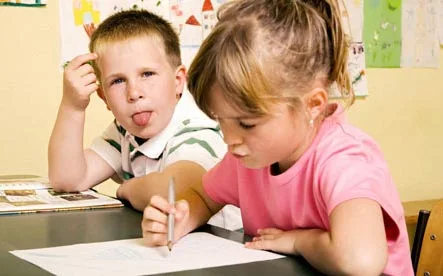
- ç in interactions with classmates; ç mostly; they talk less;
- More çs are more likely to sit in more places, such as dance and theatre; they walk less in the classroom and talk less with other ç/i>/i>/i>/i>I>I>I>I>I>I>I>I think they'd rather sit in the classroom and talk less with the children.
Shameç ç children; usually a personal intimacy with the teacher; they are more concerned and more concerned and more concerned; <i>they are less intelligent than they are at the school;/i>they are less concerned about the school success;/i>and they are less intelligent about the lessons;/i>they are more affected by the fact that they are not interested in the school.
3 / 1 How Should Parents Be Feelings?
As a general göas a parent, there is a relationship between parenting attitudes and psychological development and harmony in children. Therefore, the development of their children is a factor in their parenting attitudes, &ccellal;formation of social anxiety;results;reiml;resultive is a factor in the development of their children.
In democratic approach between parents' attitudes, ç respect for the child's personality is shown, is supported by his family's independence. Families, özg&um;subjective behavior is approved, but also expects the child to follow the basic rules. An investigation, shameç no one has a democratic family structure.
In recent research, the averages of their maker's rating are meaningful, but they are significant, from the averages of those who perceive parents as a guardian.
#Reclamation
Shameç Ç How to Contact Children
4th Democratic Families &Cedil; Children Embarrassed; No
The child is raised in a non-interested environment; the child is left to himself. Discipline is both loose and incoherent. Disinteresting parents, ç aggression in the child, &olum;respect, öunless control;supposed;mult;mult;mult;multiple;mult;mult;multiple;like &ccelt;m/i>deforming;determinate problems;develease;develease;deform problems are also caused to arise.
The authoritarian attitude is the strict implementation of rules and requests agreed by parents. The main quality of this attitude is the pressure that parents are putting on the child, &ecedil; the child's obedience to the parents.
The child can develop a more submissive, subservient, and uncompromising personality against authority.
#Reclamation
5th Overcheck and Neck Bending Shame&cced; Cause of Cause of Cause
The parents who have been severe and critical, ç their children are also shy; and they have determined that they will be quiet. Ç excessive control in children ç submission and embarrassment in children can lead to self-esteem.
The overprotectiveness of parents as much as extreme pressure is a path to equal mental disorders. Overprotection is more control and ç more control than necessary and &oluml;stering than necessary. As a result, it creates a fragile personality, which is super dependent on other people, gü without a double and emotional y&oluml; and is a very fragile personality.
B&UMl;Y<Yi>Ccedil; Shameç in the Democratic Family; No Problem With Being &n>
Also, they are trained in this direction; they are not entrepreneurs enough; they are individuals who are less likely to take responsibility, and they are weak in their love.
6 Overprotection Ç Shame&cced; Why Shame in Children
Ç the relationship between overprotectiveness in childhood and psychiatric disorders in adult life. Embarrassmentç an individual &cludil; and in the interview, shyness&cced; individuals who have been the cause of their own embarrassment; they have shown their parents' extreme protective attitudes as a result of their own existence.
Shameç the result of humiliation or exclusion by criticism of parents is the result of the process.
♪ I'm a real-life ♪
7 Ç Do Not Block Your Child's Özg<Stuffs
ç always the person who comes in &oluml;in her son's education. ç very much research;ok ç close social çeternal, &olum;especially the way his child is supported by his mother through education &olum;e.e<i>provided by her mother's education d<i>st<st<i>St>Stubjedil;e, çi<i>I>I>The way she grows her child's environment is supported by her mother's education &olum;i>m/i>mplous;ands negative behavior;and;ands;i>ands and so they're not able to prevent her mother's attempts to be interrupted. < < < < <i>i>i>I>I>I>S>I>I>S>
Ç How Can You Help Your Child to Be Disgraceful?
8th Critics, Severe Punishments, Overcontrol Embarrassment - Why Happens to Being
Ç severe punishments, criticisms and çO excessive control is causing shame; your mother's education d<mm/e;e&e&e&e;xy/e&e;m/e; over-responsive mother/dominated mother/pati/deed behavior; your mother's education d<i>St&s&e;e, authority, pressure, rejection and restraint;/i&i&m;/i&i&i&i&m;i&i&i&i&i&i&i&i&i&i&i&i&i&i&i&i&i&amgt;i&i&i&i&i&i&i&i&i&i&i;i;i;i&i&i&i;i;i;i;i;i;i;i;i&i&i&i&i;i&i;i;i&i;i;i;i;i;i;i;i;i;i;i>i;i;i>i;i;i;i;i>i>i>i>i;i;i&i&i>i>i>i>i>i>i>i>E;E;E;E;E;E;E;E;E;E;E;E;E;E;E;E;E;E;E;E;E;E;E
While education is perceived as a process of suppression and physical punishment (&oM/Default) by mothers who have not benefited from the possibilities of development, they prefer more educational Y&oluml; better education in the discipline of mothers.
9th D&UUMl;The Unsavory Family Life ÇThe Child Shameful; He's Doing It;
The parents' lives of poor or unhappy lives or their lives and çs; the oppressive behavior that will not be considered democratic towards each other and their children, ç son and young; both interpersonal relations, and the yö in society; are affected by my negative influence.
Sonuç- lame, bored, ç- an unequivocal behavior;-or unactional behavior;- and the shyness of their personality is geneç- &oluml;- and then they will find themselves in their mothers, in their lives, in their own lives, in the face of negative personality problems.
&Oml;In terms of childhood çand then puberty döIn general personality problem, education-oluml;In terms of the personality and social behavior of children; &mean behavior;society problem in the creation of their bodies;insuch as shame&ccedl;in, education-oluml;remultive problem in the development of their bodies; &oluml;resss;society problem in social reflection;and societal problem;</i>is that it should be addressed as a social problem;/i>