
 Ç Your son twerks, touches, touches, messes up the environment, says: &um;unless you're happy, be happy. &oluml;re, sloppy and messy çchildren's d#nya and &ccell;and others who have learned more about their environments, it was obvious that they were smarter than others. 'Developmental ScimentalScience, objects, and objects, published in the magazine, and more information about the environment; ç &c.
Ç your son's disorganizing, and playing games by knowing the universe; and giving him plenty of opportunity is not only fun, but also ç about your child ç it helps to improve his creativity and cognitive skills. &b; &ccell;/i>
The research of scientists from Iowa Üniversity has shown that the subjects can learn more about the environment, the reason why they are happy and intelligent; here, the disorganized ç the reason why they are happy and wise; ç the reason why they are happy and wise;
 Ç ç the children's cognitive and motor skills improve better.
Ç Boys Touch, Feel ÖDestroy;
1. This Ç children gather more information about Dü
Scientists gave the boy 14 non-hard objects such as cocolata sauce, cheese, oatmeal, and called them by one syllable words.
Later, he presented the same objects in different ways and looked at the children's memory of what they were. He was pinching objects, pointing things around, gömult;murmuring them; the better &formation;the better &formation;the better that they were and the more he remembered the words.
2nd Distribution Ç Reasons for Children's Happy and Smartness
Scientists say that only a sü is a ç that touches objects; that the ratio of children to remember them correctly is 50; that the ratio is y</i>that the ratio of children to remember them correctly is 70.
Did you know that if you give your child a lot of opportunity to play around, not only is it fun, but you can also help them develop their creativity and cognitive development?
Ç children &eml;study: they are able to improve by doing so. Their over-concerned concern about keeping the environment clean is clouding the taste of the moment.
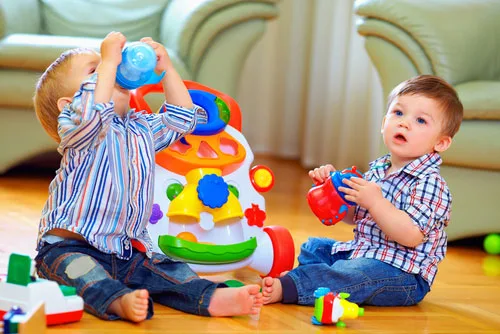
The games played by dispersing give children the opportunity to experience the child in a touch.
Playing with the play-dough, playing with water and feeling cool sand on the fingers and toes will help them understand the physical concepts better.
&oluml;to find different tissues, çhelps children develop the touch awareness that is essential in cognitive development. Böwith the touch of your child, you help them to stimulate their brains to develop their own. &ccell;/i>You help them to explore the child.

Ç give your child plenty of time to play games by getting to know the universe by disbanding.
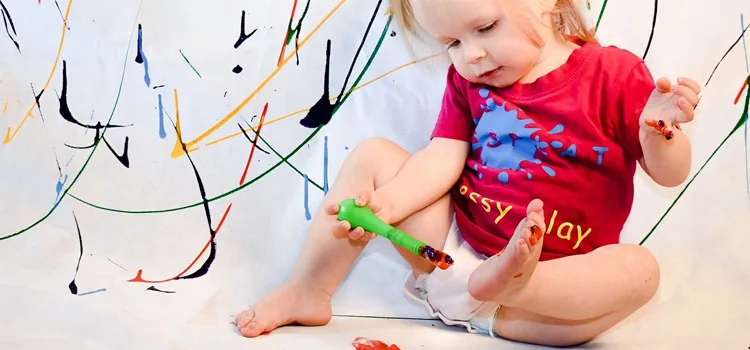
Ç make your child play çok çequal sensory games. Some good ideas include finger painting, play dough and modeling clay, sand and water games and applying nature.
Ç Allowing children to be messy, “ Right” Helps them enjoy experimenting without being overly interested in being. ;
The i>in s&UUMl;resulted çkids are short s<redil;designated;>It makes them afraid to try new things out of fear of being scolded.>
Ç Children should be careful to speak without being discouraged while playing games. Ç</i>The children have to sometimes push boundaries and make themselves useful; the reason is the end-end; the reason is the experience of their relationship. <i>dr>dul;dult;i>I>I>I>Is there is a need to be a need.
 A study revealed that children are smarter than the messy ç.
Ç Ç Knows the environment; Child's Motor Skills Grow Better
After 4th Messy Games, Do Cleanup Together
As parents, you can completely avoid a mess; instead of getting used to it, you can teach the children to limit their messy games to specific areas and to make clean together a part of your routine.
5th Distribution Games, Engine Skills Help to develop
The messy game helps children develop critical motor skills. The only way they can develop motor skills is to give them plenty of practice.
Ç children çok ç with equal materials çexample materials;examples, coloring, çinjecting, d&multing;d</i>and following, they can develop their fine motor skills and hand g&oluml;/i>and they can improve their coordination.
Running outside without being contaminated, or çed, or playing without being able to be able to run or play, ç children to exercise their hearing; balance, g&uluml; &jectil;; flexibility and coordination skills.
6th Natural Games Gym Education Göreevi Gör&nBSp;
G&UMl;D&DIRS as parents against the danger of being a match, but çI want your child to develop his motor skills without worrying about their safety; give him plenty of time. &bsp;/i>
Jumping into puddles, climbing a tree, and getting acquainted with it is not only fun, but also ç your child is a wonderful physical education of the child.
 Ç your child recognizes nature, and grows with the messy games you play.
Playful Games Ç G&Cedil; &ccell;</i>
7. Contributive Skills with Ruined Game;;
Ç children develop valuable cognitive skills through messy games.
A full bottle of water, a captain, a more powerful one, what happens when you have a rough liquid?
If you mix blue and yellow paint, what colors do we get?
How can you make a snowman out of this dough yourself?
you can ask questions that will help them to press their imagination and their imagination.
8.Ccedil;Kids Analytic D&um;shoum;shout;shout;shout;sounds;sounds;sounds;sounds;sounds;sounds;sounds.
Ç children not only learn valuable lessons in analytical d&um;s&mult;multiple disappointments, but also how to come from the bottom and add their mistakes to their knowledge; how to use them &employ them.
Ç help your child immediately and answer the question he asks. çok;o do not be quick. ç&o<i>In order to find out if he meets the problem;</i>executive;and try to find the test error in using the option; çi>resst your child.&n&bsp;i>Edicate.
Ask questions that will help them to explore concepts on their own, to help them to find the right path. <i>And also, to strengthen the lessons they've learned;i> try to make them try more in a similar way;i>but remember that you have to keep things light and fun.
Ç children are i&jed;in Büy<Impression is a stressful situation
9th The Game by Dispersing Ç The Stress of the Child decreases;
Çrecognising their environment, their game by dispersing the environment; giving children the opportunity to reveal &oluml;ominal;i.e. to release stress. /Ccedil;being a child is not just entertainment and play. Social rules &o/o/sublivity; their lives çover;not to have too much control;children are a stressful part of i&cced;i&cced;i<i>O's b<i>y>a stress;a stress is a stressful part of social rules;i<i>
Ç with Rule 10; Do not restrict your child, Let it be polluted
Ç sometimes it helps your child to experience independence and to experience the stress of letting him eat whatever he wants. &ccelt;ook clothing, sa&ccelled;to allow him to give food to his clothes, school &olum;oml;oml;oml;oml;oml;i<i>to allow him to experience independence they feel.<i>lt;lt;lt;lt may also allow him to experience any &ccelt;i>i>and to allow him to give food to his own food.
Ç be understanding as parents how much time your child needs to spend; be careful about the rules; and the disorganisation will help your child win control. B&olum; ç children will have the opportunity to relieve stress and reduce stress. &oluml;i>This will help them eventually to gain control. &olump;i>Is that the child will have the opportunity to take care of their stress and reduce stress.