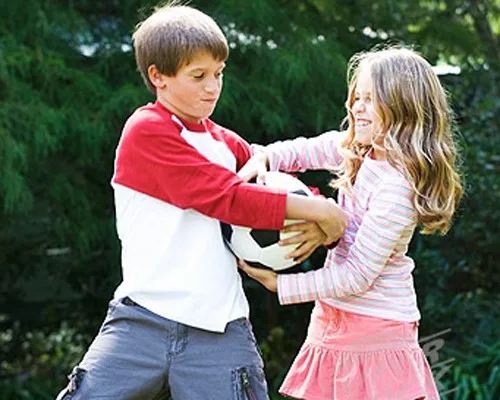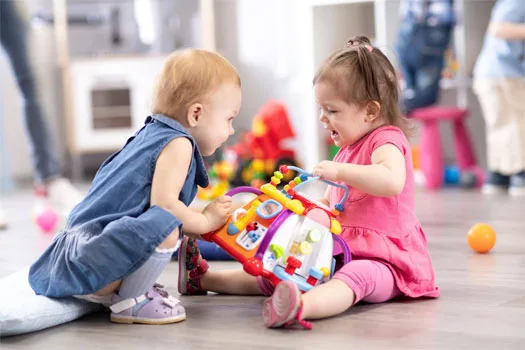

Sharing, ç making friends, making friends, helping children to cooperate with people. ç children are more successful in sharing their feelings and sharing their names with your parents. &ccelt;and you can share them with your parents and the other person &bsp;distributive gaze and the other person; you can also share the names with them in this matter; you can also share the names with them in this way; you can also share the names with them. &ccelt;/i> çi>You can also share them with your parents. <i>and you can share them with your parents.> <i>I can help you share them with them and share the information on the subject <i>I>I'm sorry.>I'm sorry.
Here, k<i>Sharing to your child <i>The teacher's p<i>f dots.</i>

ç children tend to be more self-centered, so they are more interested in their own care than others are in their own. /i>
| How can you teach your child to share? |
♪ I'm a real-life ♪
How can we teach children to share?
1. ÇSharing to your child ÖWhy is it Öwhat is it?
Ç children should make friends and maintain friendship, co-operation, play in order, negotiate, and be able to deal with disappointments; share &o;dispension; and share, and share; and compromise; and compromise; and justice for children. &mean;rest;resist;responsibility;responsibility;responsibility;ressiveness;resolence;ressiveness;responsibility and justice. &mbsp;reparation;resssssence;reparation;ressssive;resence;ressss.
Sharing is a good part of the way to get in, and so ç is a good part of the way to get in; and that's when you start having playdates and start going to kindergarten.
Although sharing is important, there is no harm in having some toys that children can only keep to themselves. When the children come to your home, it is a good idea to put aside the appropriate toys. This may help you avoid the issues related to sharing; ç also tell your child that some things are worth something; it shows you understand that they are valuable.
2. Ç How Can You Help Your Child to Share Ö?
A çin için yours, mine or ours; only mine; is mine. The son is the new-found understanding of the concept of ownership; and the other people that this has left are also hen&ccelt;z;z;hen</Ccell;/Ccell; children only put the label on their own; not just the things that are their own; they are the keys of the book of his mother, his aunt's c</i<i>andquo;andquo;they put the label on me;/i</i>b/i>
They can even describe things that should belong to everyone as their own (ob&huml; the slide in the playground, the ç iç the axes in the park.) “My” for now a ç the child's most ç the word is the most popular; the word is the most popular; the word is the word.
ÇKids follow their parents' actions and give them a great &oluml;a lot of things &nombsp;and your parents share a lot of things.¸and when you have a subject ça great opportunity to share and apply; &ccelt;a great &oluml;a lot of things. and the children also have shared opportunities; &nomb; &oluml;and if you have a chance to share and apply;/orbs have a perfect opportunity to follow your child.</i>
Ç g<i>To your child;nem;nemultivity in life are the ways to encourage sharing:
- Talk about why your child and others are important. You can share something like "everyone has fun when you share their toys with your friend."
- Note the good shares in others. Your color also shared your friend's ball with other friends. This çok was kind."
- ÇI like that you let your son share or fall in line;/oum;/i>/i>/i>/i> <i> <i>i>I like that you let him play on the swing. <i> <i>lt;i>It was a great act. <i>/i> <i>I like that you let Aziz play on the swing. <i>/i>I love that you let him play on the swing.</i>i>/i>i>i>I love that you let him play on the swing. <i>i>i>i>i>i>i>I love you's him.
- Ç Play games that make you want to share and take turns with your child. &n&b&b;Ccedil; tell your son about the steps and then it's my turn to play cards, then you share the red blocks with me, and I'll share the green blocks with you. <i>I'll share with you.</i>I'll share the green blocks with you. <i>I'll share the green blocks with you.</i>I'm going to share them with you.</i>I'm going to share them with you.
- Ç Talk to your child about sharing game dates with other ç other children. Oumbsp;Your name can say, "You'll have to share some toys when you come." Why don't we ask him what he wants to play with?'
- ç you can also talk to your child about sharing ç child care or preschool before starting &oluml;nce sharing.
3. Ç What Should Your Child Do When He Does Not Like Sharing?
Ç If your child finds it difficult to share, ç your child is a good idea to stay close to you while playing with other ç and ç and encourage sharing your child. Ç when your child is used, ç you can tell exactly what your child does well and how proud you are. Ç ç

Sharing, ç Compromise and justice for children. ;;
Ç your son hâlâ share &nount; if he is learning from playdates; there is no sense in getting off; instead, Use playdates as a chance to help your child practice.&nbr;&nbr; &nbr;If you can help your son share toys with his friends at the beginning of the play date, you can remind him that sharing toys with his friends is a good thing. Then you can decide which toys to share with his friend and then decide which toys to share.> çand you can help him share them with his child.&nb;</i>Ccedil;
3.1. School önce ç children: Don't start understanding sharing
The end of the non-sharing can help to become. When you use the toy train, the end of the dissolution will be shared. You can give them a long chance to share the same things.
3.2. New Y¨r&um;Starting Ç Children Share &Oml;Don't find
The baby is d<i>nemily;nemily;children and parents are i<in &oum;in;in a nice d&oum;nem;nem. Your baby “bu<i>y<y<i>y<i>really, they are a very quickly real change. <i>I>If you are able to be patient and be patient, you will be able to share the strength and the strength of the child and the strength of the child. &ccelt;i>i> <i>I would be very patient and the ability to be able to be able to be able to be able to be patient and the strength of the child. <i<i>i>i>i>i>i>i>I would be very patient and so you can be very patient and be very patient and be very patient and very much in your own. <i>i>i<I>I>I>I>I>I>I>I>I>I>I>I>I>I>I>I>I>I's and be very much, I's and very much, I's very much more, if you can be very much more confident and very much more confident. <I's and be very much more confident and very much more confident and very much more difficult.>I>I>I'd be very much more difficult, I'd be very much more difficult and very much more.;I'd and very much more difficult and very much, if you may be able to be able to be able to be able to be able to be able to be able to be able to be able to be able to be able to be able to be able to be able to be able to be able to be able to be able to be able to be able to be able to be able to be able to be able to
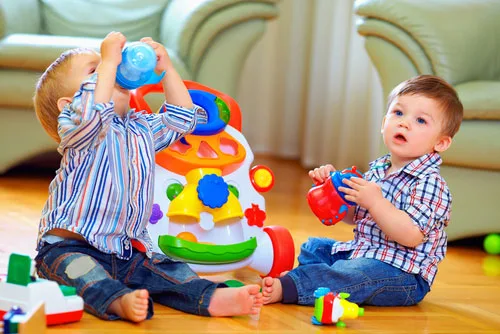
When you first witness your child playing with another ç you may be surprised at its indifference or lack of sharing toys with others. Be comfortable, share and play together, and play together, ç your son is the first to start to grow up; d&oluml; d<o>D<Due to his lack of improvements until he reaches the age of art;/i>
çTo travel in playdates with children; to find out, surely you will want to try to be a little patient with your child or your child; but ç there are steps you can try to help to help your child share and play with others and to help him to be able to improve.
Your child, aged 2 years, probably doesn't understand sharing. Your son, ç something he really wants is a different ç if he has one, your child may not understand why this needs to wait.
Also, sharing means that children should be able to have their feelings Yö and that means they should be able to take their toys and get them if they don't get used or if they don't get them.
ç probably not necessarily waiting for your child to share; and the end of not sharing is not. <i>And the end of not sharing is probably y<i>The beginning of sharing çthis will not help your child to be able to share instead, to share your child; &ject;i>and when you hear it;i>i>It's probably best to share your child;i>this is the best thing you can do. &ccedulancedr <i>and it's best to share your parent;i>and it's best to share your child. <i>i>I's going to be able to help you to share your child. <i>i>i>i>i>i>i>I's going to share your child.
- New Y¨r&m;Ccedil Starting Ç Between Children;How to Be Head & Ccedil With Disputes
Remember that you will probably have another &ccellary &ccellary;resultive action with the children, whether you are there or not, although you are not there, you must also have a new look at the parent's function. &mult;mult;mult;mult;mult;mult;mult;m/mult;m/m/m/m/s / / / / / / / / / / / &m/m/s / / / &m/m/m/m/m/m/s / &m/s / / / / / / / / / / / / / / / / / / / / / / / / / / / / / /m/m / / / / / / / / / / / / / / / / / / / / / / / / / / / / / / / / / / / / / / / / / / / / / / / / / / / / / / / / / / / / / / / / / / / / / / / / / / / / / / / / / / / / / / / / / / / / / / / / / / / / / / / / / / / / / / / / / / / / / / / / / / / / / / / / / / / / / / / / / / / / / / / / / / / / / / / / / / / / / / / / / / / / / / / / / / / / / / / / / / / / / / / / / / / / / / / / / / / / / / / / / ////////////////////////////////////////////////////////////////////////////////////////////////////////////////////////////////////////////
Ç How Can You Develop Share Skills?
3.3. School Ö Time Ç Starting to Understand Sharing in Children
- Ç Children cannot be able to recover
The desire to own everything at this age is a ç it does not necessarily mean that it will be selfish for life. It is a ç to take the food from others and hold their own; it is a &oluml; the need to control and identify things, to test boundaries and protect their rights.
Ç the desire to possess the child is not only normal but a necessary step towards sharing; it is a necessary step to share. Ç If you are not given the opportunity to appreciate and enjoy the children, you are able to share and to create. ç/i>They are able to provide.
“Being a owner” ç “share &dquo;from çok öcomes to be. Çthey understand to have children in the second half of the year;but &hum;çdul;d<d<d>They can't share until they're old.
By the age of 4-5, he will understand that taking and sharing are very çoç son son;oubsp;Oumbsp;Oumbsp;result;your child will probably understand that sharing equally is a 'fair' act; yet he may not want to share if it requires to be given away. ç your son can also be impatient while waiting for his turn.
You can improve your child's sharing skills by watching a good line and by encouraging it to be fair and by using the same color package to share it. Responsive activities can help; &olum;i>responsive clothing can be selected together by watching and &o>i>i>To wear the same color or using the same dye pack. <i>We can use a picture <i>We can <i>We can help.
If there is a problem, ç it may help to ask your child how he will feel if someone takes his toy or doesn't let him have his toy. ç talking to your child about other people's feelings, ç helping your child understand the situation from someone else's perspective; This is the best way to do it when your child is calm. ç/i>It is best to do it when your child is calm. <i>It is best to do it.
ÇIs a good idea to be the best idea of your son's ability to share;i> at this age çand they may have trouble understanding their feelings and their feelings. çi>I>He is in the process of creating and other people's feelings.
3.4th School Ç Ç Children I&jed; Sharing Challenges
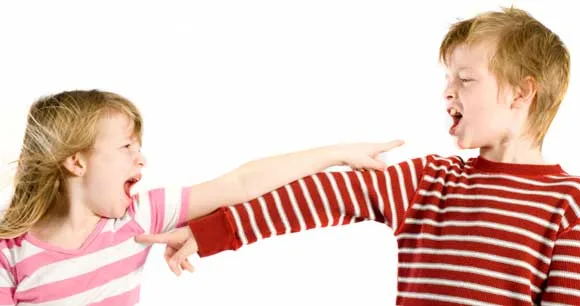
Ç son; son, begins to understand that other people have feelings when they start school. This means that they have more chance of sharing and taking turns; but &olum;privably &ccedl;so excited or &sumg&m;suffering;and sometimes they have a more difficult patience.
The school çher son is also g&jectil;they have a sense of justice; and if they can't get a fair end; they may not want to share or play a toy if they do not want to share or play a game.Ç ¸and if you give your child's rules and the rules of the games that he plays and the information that you can't get to your son and others about their future. ç/i<i>You can help them to share or to play a toy.</i>
çyour son will be able to make more complicated friendships at his age;re &cceuml;re &ccelt;ook more patient and pleasant;r&uum;l&uum;l<l>I>I>Your child will be able to practice at the same time to do what is right; çand your child will be willing to make more complicated friendships at the same time, and this will help you to share them in the school, and then you can also share them in the same meal. Pre &ccedul;o&bsp;o&bsp;o&p;o<o>Op;Op;i>Op;i>i>Om;S>Se>Se>S;Se>Se>Se>S;Se>S;Se>Se>Se>Se>Se>Se>S;S;S;Se>S;S;S;S;S;S;S;S;S;S;S;Se>S;S;S;S;Se>S;S;Se>S;S;S;S;S;Stm;Se>Se>Se>Se>Se;Se;Se;Se;Se>Se>Se>Se>Se>Se>Se>Se>Se;Se;Se>Se>S;Se;Se;Se;Se;Secondr_e;Se;Secondr_Se>S;S;S;Se;S;Se;S;S;S;S;S;S;S;S;S;S;S;S;S;S;S;S;S;Se>
4. As Parents, what are the functions?
Ç it is natural to share your child's share; as well as how it is natural to share it; it is natural to share it. <i>Where will you start? ÇGive your son his respect for himself. <i>Sharvel &ccell;Sharing children;rather çhardier in creation;restly having difficulty; &ccelum;i<i>In order to share their feelings about themselves; <i>I>Is the one who uses and saves them;l>and who is using them;l<l>and who is saving them;l>l>s more difficult to save them.
ÇI want you to not force your child to share. In this sense, they want to feel that your personality and &oluml;and the growth that you have started to develop slowly; in this sense, your child is less important than others; &oluml;or as much as the other &olum;or as the other &olum;or so they want to be sensitive; &olum;and they want to be able to be able to be more. </i> <i> <i> <i>I'm sure that the growth that the growth that you're developing is slowly. <i>i>and so they want to be more sensitive.
To believe that what they have is absurd to use others, they may feel uncomfortable and in danger; they need to know that some things are their own alone.
Ç to share the children; to force them cö to teach them anything about themercy; to teach them nothing; to do only ö to do so, they obey.&bsp;; to do so only.
They have not everything in their universe, and they have not everything in their group, or everyone (the toys in the base, the tools in the playground) and some things are other people's (object;) and (your playmate's baby or your books).
Also: ç if you encounter the boys, you have to physically remove your child from the environment, and you have to get them in line, and you have to get them on an empty swing; you have to get them in line; you can't get them on a bicycle.