

 #Advertising
What Foods Nourish a Child's Brain?
Providing children with nutritious foods to support their growth, development, and learning can be challenging, but it is a very important task.
The brain is considered the most important organ in our body. Therefore, it is essential to provide the brain with the necessary nutrients to function properly. Given the importance of brain development, especially in children, this article aims to provide parents with valuable information.
#Advertising
Foods That Enhance Concentration and Memory in Long School Days
Here are some foods that can help your child stay focused and maintain concentration during long school days:
- Honey: A spoonful of honey in the morning.
- Ginger: Contains compounds that stimulate the brain to produce new ideas.
- Cumin: Helps to generate new ideas.
- Onion: Helps to improve brain metabolism, which is essential for brain health.
- Pineapple: A very beneficial food for memorization.
- Avocado: Can be consumed to improve short-term memory.
- Salmon: Salmon is a rich source of omega 3 fatty acids, which are essential for brain development and cognitive function. Make sure your child consumes a portion of fatty fish, such as salmon, once a week.
#Advertising
Colorful Fruits and Vegetables: Fruits and vegetables rich in antioxidants, such as A, C, and E vitamins, should be included in every meal. To encourage your child to eat more fruits, you can mix them into breakfast cereals, decorate yogurt with fruit pieces, prepare various fruit purees, or make fruit-based cakes or muffins. Strawberries, in particular, have a beneficial effect on reducing stress.
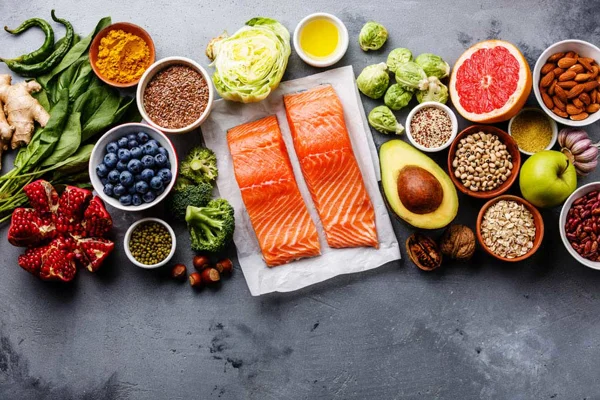
Lemon: Enhances alertness.
Cabbage: Reduces thyroid activity, which can help to reduce irritability.
Garlic: Helps to prevent overwork and physical fatigue. It also helps to improve blood circulation, which is essential for brain function.
Black Grapes: A handful of black grapes.
Fish: Contains Omega-3, which is essential for brain cell development. It is recommended to consume once a week.
#Advertising
Eggs: Not only are eggs a great source of protein, but they also contain choline, which is essential for the normal functioning of cells. Choline is also important for brain development and memory. Fortunately, most children enjoy eating eggs in various forms. Choline in eggs helps to renew and strengthen brain cells.
Pumpkin Seeds: A handful of seeds can help to calm the nerves. They also contain magnesium, which helps to relax muscles, promoting better sleep.
Oats: Oats are a superfood because they are rich in fiber, provide sustained energy, and contain B and E vitamins, as well as potassium and zinc, which are essential for optimal brain function. A breakfast of oats can provide your child with the energy they need, while also supporting their concentration and learning abilities. Oats provide slow and steady energy to the body. Make sure to include it in your breakfast.
Beans: If the body lacks B1 vitamin, it can lead to a weaker memory. It should be consumed 2-3 times a week.
Lentils: Contains B1 and B3 vitamins, which can help to eliminate depression in adolescence. It should be consumed at least twice or three times a week.
Water: To help your child stay hydrated and maintain their concentration, make sure they drink enough water. Adequate water intake is essential for optimal brain function. It is recommended to drink 6-8 glasses of water per day.
Whole Grains: Whole grains are a good source of B vitamins, which are beneficial for memory. They are also a good source of fiber, which provides sustained energy. When shopping, try to choose whole grain bread, cereals, pasta, and unprocessed rice.
Nuts: Nuts are also rich in fiber and contain many vitamins and minerals. Almonds contain vitamin E, an antioxidant that is beneficial for brain health, while pumpkin seeds contain zinc, which is essential for memory and thinking. Walnuts and cashews also have brain-boosting properties.
Dairy Products: Dairy products are an important part of a child's diet because they help to strengthen bones and support normal functioning. Dairy products also contain protein and B vitamins, which are essential for brain development. If your child does not consume milk, try to offer them yogurt and cheese.
Iron-Rich Foods: Iron is essential for maintaining concentration. It is also essential for producing hemoglobin, which carries oxygen throughout the body. Iron deficiency can lead to anemia, which can impair your child's learning abilities. Iron-rich foods include red meat, legumes, whole grains, and iron-fortified breakfast cereals. Consuming iron-rich foods with a source of vitamin C, such as a glass of orange juice, can also help to improve iron absorption.