
7 November 2026
Publication Date
7 November 2026
Last Updated
#Advertising
Children's Problem Solving Ability Development: The Importance of Teamwork
Children's ability to solve problems, evaluate different options, and collaborate with others when needed is an important skill to acquire during the development process. So, how can parents help their children develop their problem-solving abilities?
Give children responsibilities from a young age, work together within the family, participate in group games, and support teamwork. This helps children not only to produce solutions on their own but also to listen to others and work together.
Why is problem-solving important for children?
When children face a challenge, they learn to generate solutions, evaluate different options, and make decisions together. Teamwork helps them to see different perspectives and learn from each other.
Working together to solve problems also teaches children the value of perseverance and resilience. They learn that setbacks and failures are part of the problem-solving process, and that working together can lead to successful outcomes.
How does teamwork help children develop their problem-solving abilities?
When children work together on a task or project, they must express their ideas, listen to others, and provide constructive feedback. This interaction helps them to develop their communication skills and express their thoughts and ideas in a clear and safe way.
Teamwork also helps children to evaluate different perspectives, ask questions, and generate solutions while thinking creatively.
Developing Communication Skills
When children work together, they learn to express their ideas, listen to others, and ask for clarification when needed. This helps them to build confidence and self-awareness.
Generating Different Solutions
When a problem arises, team members offer different solutions, evaluate options, and make decisions together. This helps children to learn to consider different perspectives and avoid being stuck in a single solution.
Developing a Sense of Responsibility
When children are part of a team, they take on responsibilities that contribute to the group's success. They also learn that their actions affect others, and that working together can lead to positive results.
The Importance of Team Spirit in Children's Social and Emotional Development
Teamwork helps children to build relationships with their peers based on trust, empathy, and mutual support. Working together helps them to develop social skills, such as collaboration, conflict resolution, and emotional regulation.
Children learn to understand different perspectives, recognize the emotions of others, and respond appropriately when working with teammates.
Children with a sense of teamwork are able to communicate effectively, consider the interests of the group, take on different roles, take responsibility, be self-critical, be flexible, and cooperate with others.
How can parents support children's problem-solving abilities?
Children learn to work together and achieve a common goal by working together at home. This creates a good starting point for children to take responsibility and work together to solve problems.
Do Household Chores Together
Working together to complete household chores, such as preparing meals, setting the table, and cleaning up, is a great way for children to learn teamwork.
Don't try to do everything yourself. Let your child take on some tasks. This will help them to take responsibility and learn to work together.
Play Games Together
Choose games that require two or more people to play. These games provide children with opportunities to work together, communicate, and achieve a common goal.
Ask for Help
When your child asks for help, provide it. This will help them to learn that asking for help is okay, and that working together can lead to better results.
Establish Rules and Responsibilities Together
Establish rules and responsibilities together as a family. Discuss what is acceptable and unacceptable, and how to work together to achieve common goals.
Encourage Sharing and Cooperation
Share food and other resources with family members and children. Play games like "hide and seek" to promote cooperation and teamwork.
Encourage Team Sports
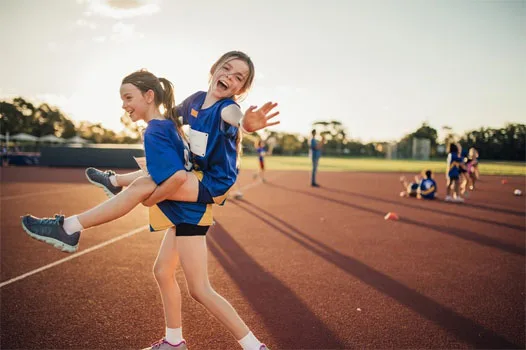
Encourage your child to participate in team sports. Team sports provide children with opportunities to work together, take responsibility, and support each other.
Share Your Own Teamwork Experiences
Share your own teamwork experiences with your children. This will help them to understand the importance of teamwork in the real world.
How does school support children's problem-solving abilities?
The school environment is an important place for children to learn to work together and find solutions to common problems.
Encourage Group Projects
Encourage children to work together on group projects. This will help them to learn to share responsibilities, communicate, and achieve a common goal.
Provide Feedback on Project Outcomes
After a project is completed, provide feedback to children on their contributions. This will help them to understand their role in the team and how they can improve.
Support Children's Problem-Solving Abilities
Help children develop their problem-solving abilities by providing them with opportunities to work together, communicate, and take responsibility. This will help them to succeed in school and in life.