|
|
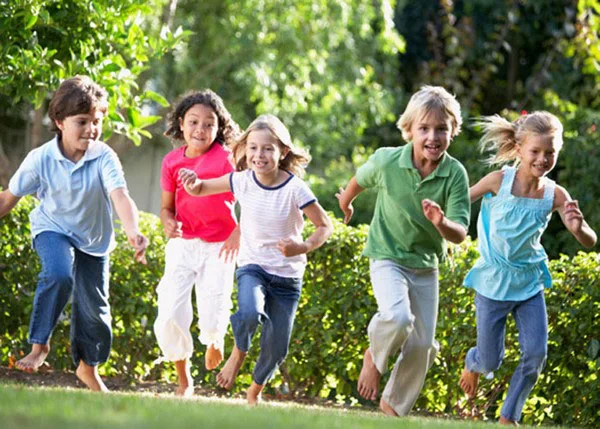
Every child needs friends. So it's important that children are encouraged by their parents from an early age to make friends. Because children cannot provide friendship within the family. Expert Psychological Advisor Eren Yavuz, who says that a real friendship will give children incredible positives in terms of social space and understanding of their position, explained the importance of making friends with children:
| |
Parents Should Incentivize Their Child's Friendship
Parents should encourage their children to communicate with their peers, occasionally prepare environments and conditions for the child to be able to make friends with them, while some children may easily need adult support when they have strong character traits.
3-10 Years - An Influence of Social Skills
Parents send their children to schools, camps, to improve their children's interests Making friends with common interests in their fields They can, especially encouraging young ones who are not very friends to have hobbies can help improve the child's environment.
Friend Even in their fights Your Child Gets Time to the Future
Children are the most involved in social skills
The period they're in is between 3 and 10 years old, making friends and other people. Even the little fights that children have with their friends about maintaining communication are a great experience in the future, for children to learn to know each other and to get along with each other.

Your child Friends' Environment What Can You Do to Make it grow?
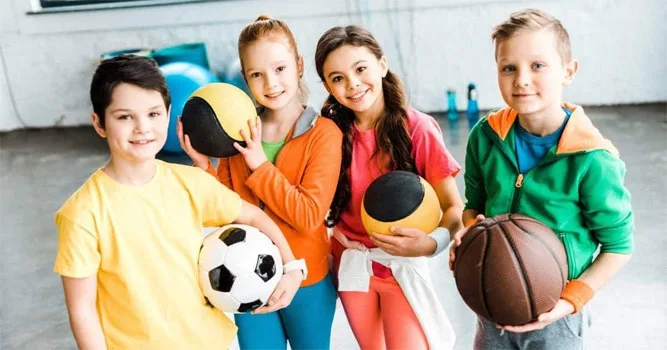
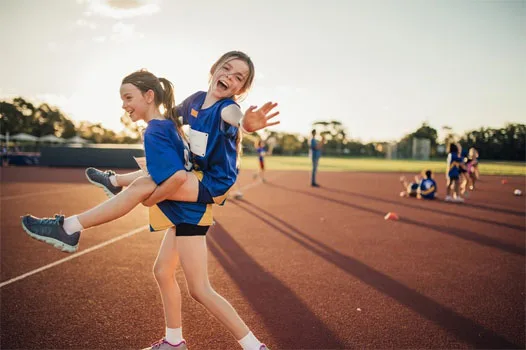
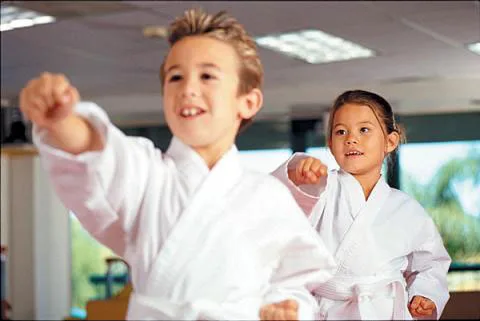
Especially growth And during school years, parents can help their children develop communication skills and build confidence by directing them to team sports and sports.
Your child to society In an open area, sharing this positive observation with your child when you are observed playing, communicating with one of your peers. It contributes to his initiative, to the improvement of his communication skills.
With friends. A Computer of Communication Make sentences
My dear friend
And then you swing in order and I love how you guys rock each other.
Ahmet, I saw you helping a friend who fell in the park, and you're a really good friend.
When your child's friendship is not approved...
To adapt to an peer group and have adequate social skills, child's high self-esteem, self-esteem
Parents are very important to their parents when they do not approve of their children's friends or their friends' families. When they do not love, they usually choose to discourage them from their friendship, and it may be more beneficial to encourage another friendship when they try to discourage their child from becoming friends.
Overcompensating Can Have a Reverse Effect On Your Child
A conversation about the child's friend will be positive for the child to evaluate his friends, and over reacting to the friend he has acquired can also lead to the opposite outcome in the child.
Friend of a Child Make His Problem Solved
In every problem your child has with friends, he learns new things for company. When you realize that your child is out of a group of friends, instead of being angry with his friends, he will allow you to adopt the problem of talking to your child through questions about the situation:
What exactly is the problem with you?
• What happened before this happened?
How did you feel about that?
• How do you intend to resolve this problem?
• What are you going to do to solve the problem?
Your child Problems Making Friends If he's alive
When you talk to your child in person, you give your child a chance to take a good look at the problem that he is having, and that is a time when your child is very valuable in the sense that he has the ability to develop friendships, real life, and to maintain relationships with people.
• In spite of your child's efforts, he has difficulty in associating with his peers
• I wonder if your child's group is appropriate for your child,
* If your child has the ability to express himself *
• Your child's attitude and behavior in other environments,
• It would be helpful to assess the problem in collaboration with your child's school's psycholoic advisor by increasing your observations of anger management, harmony with the rules and so on.
|