

How to Instill Sports Habits in Children?
Physical health, mental balance, and social development are indispensable for sports, and the right age and approach are important; Pediatric and Adolescent Health Specialist, Dr. Gunay Ermergen, provides parents with guidance on sports selection, training safety, nutrition, and annual health checks according to age groups. Sports are beneficial for growing children in terms of both physical health and physical development, as well as in terms of personality formation and mental health. How can sports habits be instilled in children? What should parents do when encouraging their children to play sports?
Dr. Gunay Ermergen responds.
It is Important to Instill Sports Habits in Children
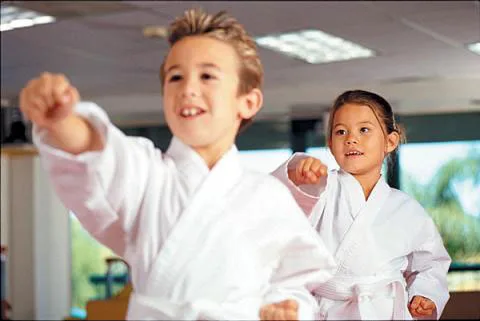
Especially in preschool age, it is important to pay attention to developing and reinforcing movements that are parallel to the child's natural movements, and in the primary school age, it is important to base the movements acquired previously on sports such as athletics, gymnastics, swimming, and sliding sports. Sports in childhood strengthen the heart and lungs, and reduce the risk of heart and lung diseases that may occur in adulthood. They strengthen muscles and joints, and regulate the function of the digestive system. They also develop the child socially. The Child's Social Development and Confidence are Important for Sports In the 9-11 age group, the focus is on acquiring specific basic technical skills in the chosen sport. In the period of adolescence and adulthood, in order to prevent bad habits, to use energy correctly, and to increase social development and confidence, it is necessary to direct children, especially to team sports. The Age to Start Sports is Important 2-5 Years 2-5 year olds are not suitable for organized sports activities. For children in this age group, free games such as running, climbing, falling, kicking, dancing, and bicycle riding are the best. 6-7 Years Children aged 6-7 also develop their coordination and attention spans. They are better at following instructions and understanding the importance of teamwork. Sports recommended for this age include gymnastics, swimming, and athletics. 8 Years and Older Children aged 8 and older can do almost all sports. At least 6-7 years old is required to participate in organized team games. Many team sports involve physical contact. Therefore, it is not suitable for young children to participate in these intense physical contact sports and to withstand these hard contacts. This also brings with it emotional trauma. 12 Years and Pre-Adolescent Period 12 years is usually the time when team sports are discovered. Participation in sports such as weightlifting and sports with head-to-head contact is not recommended until the end of adolescence. Long-distance running is also recommended at the end of adolescence. Especially pre-adolescent children have a very high sympathetic system activity. Therefore, due to their high heart rate and long-lasting endurance activities, they quickly exhaust their capacity. Children in this age group have low aerobic power. They do not have enough oxygen to use. Also, their carbohydrate reserves are less than those of older children. The brain, nerves, heart, lungs, and the body's internal environment must work together in a coordinated manner to ensure that the body can use oxygen effectively. These systems develop after adolescence. It is thought that this development is due to hormonal factors. It is important for children to be able to work with a certain workload, and in this age group, the hemoglobin composition of the blood is also less than that of adults. Therefore, children are also disadvantaged in terms of oxygen reserve. Children also use more oxygen at rest than adults. Pay Attention to These When Playing Sports Participation in sports with repetitive loads on the same body parts can lead to injuries, especially cartilage damage. Therefore, protective equipment should be used. Children should also be aware of the necessary protective equipment to prevent injuries in the sport they choose. Participation in sports in the open and hot environment can cause health problems due to the fact that the body areas are smaller than those of adults. Therefore, frequent and small amounts of water should be drunk and breaks in the shade should be taken during activities. The coach should be knowledgeable about child training, have strong sports equipment, and know the physical, mental, and physiological characteristics of children. Children should be followed up by a child doctor. In addition to the development examination, EKG, respiratory function tests, blood count, blood sugar, liver, and kidney function tests should be performed. An exercise tolerance test should be performed. If any problem is detected, further tests should be planned. Children with chronic health problems such as diabetes and asthma can participate in various sports activities with appropriate guidance.