

When and How to Teach the Child the Rules of Discipline | |||||
Do You Think You Are Late To Teach Your Child the Rules of Sight? The first basics of manners are the family environment. Learning the rules of the child is not only carried out through the transfer of members of the adult body. The rules that apply and apply in the family environment of the child are observed by the child, the first one. First it's forged, then it's internalized, your child's. To internalize rules, both the child must be old enough to follow rules and the parents should underline the social rules that are expected to be enforced.
Children who are delayed to learn the necessary social rules should participate in age In social situations, they have difficulty taking appropriate attitudes. They reject the rules that are expected to be followed from time to time, even live by the rules that should be punished. This will cover many of the positive features they have. He will be unable to show his skills or to develop his skills.
"In your mouth When Food Was On the Way If You Want to Not Speak, You Need to State Your Expectance As a result, social etiquette is passed on to the child in the family environment, at the rate it is accepted and approved. Since an important part of learning is being done through imitation, the child needs a good model to learn these rules. For example, if he is expected to not talk about table rules when he has food in his mouth, the child should be able to apply this requirement to his parents in their daily lives.
Marriage is made up of different values, rules, and beliefs, the combination of individuals from two separate families. Each marriage and each family are obliged to create their own value system, and one thing to be careful about is that parents are not clear about the rules or that they sabotage each other's rules. It will be in between, and it will prevent the established social etiquette of the child's expected settlement.
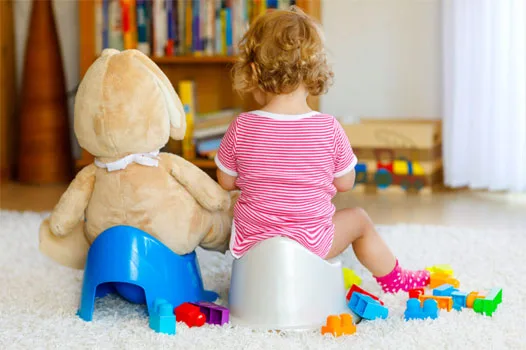
The child is expected to no longer pee under or poop under it. From this period, simple concepts of social events and social order should be passed on to the child, so that they understand and internalize the appropriate rules and behaviors socially. They experience these rules when they are given something, or ask permission to take something.
• Family families who find that social etiquette is not necessary to pass on to children at an early age, even those rules to the child's freedom as restrictive; in this case, emperor children arise. They seek their freedoms within every social environment, waiting for all rules to be formed according to their own will and desire. When this does not happen, unhappiness, aggression and aggression will emerge.
• Families who care about social etiquette, who pass these rules on as models for their children; in this case, the rules are internalized and appropriate by children. It can be displayed in the environment.
Remind Your ChildDo Not Give Up on the arctic Demeaning and Unnecessary Pressure
|