|
|
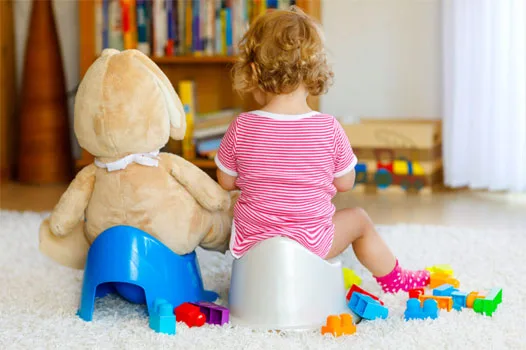
One of the things that parents are indecisive about is when their children should start toilet training. When will my child say the toilet? When will we get rid of these expensive diapers? They are constantly preoccupied with questions like when. See what experts offer families on this subject.
|
Note the Signs of the Time for Children to Take Toilet Education
The toilet habit in children is not a particular age because of their culture, because of their differences in children, their toilet education is not a particular age. Our friends (mothers) have already stopped wearing diapers, and yours is still wearing diapers, so do not be discouraged and anxious because each child has some symptoms about the time when he will take toilet education.
Most children may start toilet training between 18 and 30 months, while some children may be delayed by the age of 4 years to start this education, while studies show that girls are averaged 2.5 years old; men are about 3 years old and men are starting toilet training.
There are some symptoms for you to understand whether your child is ready for toilet education. How high is the bladder control? Is he ready to take toilet education in terms of physical and mental development? First, they need to be observed on the child.
Your child's Toilet Education How Do You Know When It's Ready?
Can the diaper stay dry for a few hours during the day?
Does it differ in his gestures or body position when he needs a toilet?
Can he fulfill some of your simple demands?
Does he go to different rooms alone?
Can he take off his pants alone (or his underwear) and put them on?
Does he feel uncomfortable when his diaper gets wet?
If you can answer yes by considering your child's condition, your child is ready to use the bathroom.
What Can You Do?
Two of the most important rules for parents who have started toilet training are to be calm and patient.
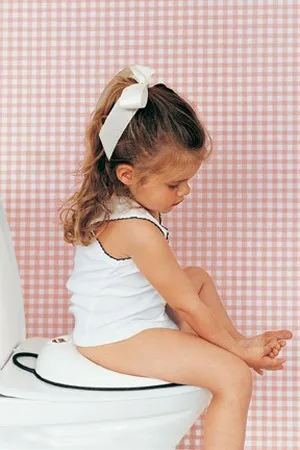
Early in education, take a seat (potty) for your child. Whether he stays in the bathroom or stays in your child's room, the important thing is to slowly adjust the child to the seat. At first, these exercises should be done while the diapers are in diapers, then the child should be able to adapt to this seat without diapers and underwear. The time of sitting should not be too long. (110 minutes)
Teach your child the words you use in your family about toilets. The idea of toilets should develop in your child so that when the toilet comes, he can speak freely.
You can go to the bathroom together and stay with him. You can take care of him or give him a toy that interests him.
brag about your child's toilet in time and properly. Only praise should not be given to him as a reward, such as sugar, chocolate. Just encourage him with nice words: Good for you, you don't do diapers anymore, you become a brother-sister, your expression will make your child feel better.
Do not judge your child if he sometimes poops his pants; do not underestimate him and compare it with anyone else. In a proper manner, tell your child that he needs to take this to the toilet and not over-think it. Because such incidents may occur during toilet training. Prepare yourself for these situations. Do not start to re-cloth your child.
If your child continues to pee under the order of toilet education, you must agree that when his pants are wet and dirty, you will be found in the bathroom, the bathroom; and when he is clean, the room or the kitchen.
you must teach her to change her own dress.
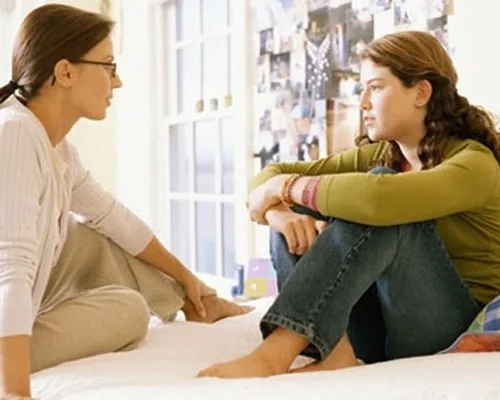
If your child refuses to use the toilet, how do you feel when the gold is wet and dirty? To solve the problem, you should encourage him to talk about it with expressions like what you think. It's likely he'll develop understanding of it.
Explain to your child why cleaning is necessary after the need for toilets. After the toilet, try to give your child the habit of cleaning hands.