



Bad breath in children may not only be caused by poor oral hygiene. Obesity in childhood; factors such as gum problems, changes in saliva flow, dry mouth and breathing through the mouth during sleep can create a basis for bad breath.
Child Dentist Dr. Nurgul Demir, emphasizing the relationship between obesity and oral and dental health, explains the causes of bad breath in children, the measures that can be taken to prevent it and the symptoms that parents should pay attention to.
#Advertising
Most Common Causes of Bad Breath in Children
Bad breath (halitosis) in children is a problem that should be evaluated from both oral and dental health and overall health. Even if regular tooth brushing is done, bad breath that continues can be a sign that parents should pay attention to.
Common causes of bad breath in children include tooth decay, gum diseases, bacterial accumulation on the tongue surface and dry mouth. However, obesity in childhood can also affect oral and dental health and contribute to the development of bad breath.
Obesity is a serious health problem that affects not only adults but also children and young adults. In addition to its effects on overall health, childhood obesity can also bring various risks to oral and dental health.
Tooth decay, gum diseases and changes in saliva flow can facilitate the formation of bad breath. Bad breath, which can affect a child's daily life and social relationships, can sometimes lead to self-confidence problems.

Child Dentist Dr. Nurgul Demir emphasizes the relationship between obesity and oral health problems that can accompany obesity. Gum bleeding, plaque and tartar accumulation and changes in saliva flow can affect the balance of bacteria in the mouth.
The deterioration of gum health, bacterial plaque accumulation on the tongue surface and decrease in saliva flow can lead to the formation of bad breath due to the formation of volatile sulfur compounds by bacteria that accumulate in the mouth.
#Advertising
How Can Obesity in Children Cause Bad Breath?
The relationship between childhood obesity and bad breath is not due to a single cause. Oral and dental health problems that can accompany obesity, eating habits, changes in saliva flow and breathing problems that occur during sleep can contribute to the formation of bad breath.
Especially gum problems, bacterial plaque accumulation in the mouth and decrease in saliva can be factors that increase bad breath. Volatile sulfur compounds formed by bacteria that accumulate in the mouth due to the breakdown of sugar and carbohydrates can cause bad breath.

Therefore, bad breath that continues in children should not be attributed only to insufficient tooth brushing. Oral and dental health, as well as the child's eating habits and overall health, should be evaluated.
#Advertising
Can Breathing Through the Mouth During Sleep Cause Bad Breath in Children?
Obesity in childhood can also be a significant risk factor for obstructive sleep apnea. Breathing through the mouth during sleep and breathing through the mouth can increase bad breath by increasing dry mouth.
Saliva, which helps protect oral health, can also help maintain the balance of bacteria in the mouth. However, breathing through the mouth can dry the surface of the mouth, which can make it easier for bacteria to accumulate and multiply. This can lead to bad breath.
#Advertising
What Symptoms Should Parents Pay Attention To in Children?
- Loud snoring in children
- Breathing through the mouth during sleep
- Breathing through the mouth during sleep
- Dry mouth in the morning
- Breathing problems during sleep
Parents should pay attention to these symptoms and seek evaluation from pediatricians and related specialists if necessary.
#Advertising
Role of Eating Habits in the Relationship Between Obesity and Oral Health in Children
Obesity in childhood and oral and dental health problems are one of the common risk factors. Consuming sugary foods, packaged foods, snacks, fruit juices, carbonated drinks and sweets can both cause obesity and oral health problems.
Especially consuming sugary and carbohydrate-rich foods can increase the risk of tooth decay. The frequency of consuming sweets as a snack can also increase the exposure of teeth to acid.
#Advertising
How Do Sugary Foods Affect Tooth Decay and Bad Breath?
Bacteria in the mouth break down sugar and carbohydrates, forming acids. These acids can erode tooth enamel, increasing the risk of tooth decay. Tooth decay and gum problems can also cause bad breath.
Maintaining a balanced and healthy diet is important not only for controlling weight but also for maintaining oral and dental health.
#Advertising
Saliva Flow Can Affect Oral Health in Obese Children
Saliva plays an important role in maintaining oral and dental health. It helps maintain the balance of bacteria in the mouth and protects against tooth decay. It also helps remove food particles and debris from the mouth.
In obese children, changes in saliva flow can affect oral health. Decreased saliva flow can increase dry mouth, making it easier for bacteria to accumulate and multiply. This can lead to bad breath and tooth decay.
#Advertising
What Measures Can Be Taken to Prevent Bad Breath in Children? Water Intake and Oral Hygiene Are Important
To help reduce bad breath in obese children, it is important to pay attention to daily oral hygiene habits and eating habits.
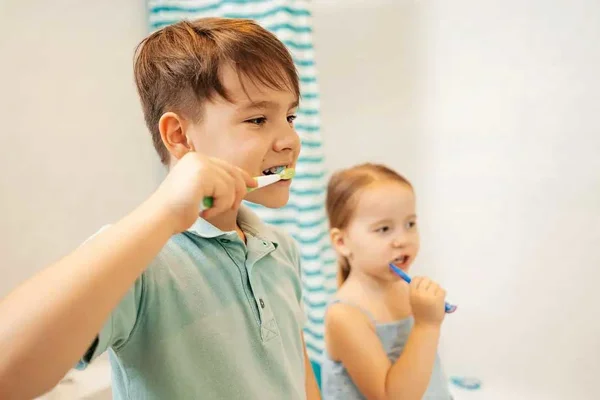
Drinking enough water throughout the day can help reduce dry mouth. Chewing sugar-free gum can also help stimulate saliva flow and reduce dry mouth.
#Advertising
Measures That Can Be Taken for Oral and Dental Health in Children
Brush your teeth at least twice a day: Children should be taught regular tooth brushing habits.
Clean between teeth: Interdental brushes and age-appropriate oral care practices should be used.
Limit sugar intake: The frequency of consuming sugary snacks, fruit juices, carbonated drinks and sweets should be reduced.
Drink enough water: Drinking enough water throughout the day can help reduce dry mouth.
Eat a balanced diet: A balanced diet that supports oral and dental health should be adopted.
Visit the dentist regularly: Regular dental check-ups should be performed to identify tooth decay, gum problems and other oral health problems early on.
Benefit from protective dental care: Protective dental care practices that are appropriate for the child's age should be considered.
#Advertising
Bad Breath in Children Can Be Caused by Breathing Through the Mouth
Obesity in childhood can also be a significant risk factor for obstructive sleep apnea. Breathing through the mouth during sleep and breathing through the mouth can increase bad breath by increasing dry mouth.
Saliva, which helps protect oral health, can also help maintain the balance of bacteria in the mouth. However, breathing through the mouth can dry the surface of the mouth, which can make it easier for bacteria to accumulate and multiply. This can lead to bad breath and tooth decay.
#Advertising
What Symptoms Should Parents Pay Attention To in Children?
- Loud snoring in children
- Breathing through the mouth during sleep
- Breathing through the mouth during sleep
- Dry mouth in the morning
- Breathing problems during sleep
Parents should pay attention to these symptoms and seek evaluation from pediatricians and related specialists if necessary.
#Advertising
Bad Breath in Children Can Be Caused by Breathing Through the Mouth
Obesity in childhood can also be a significant risk factor for obstructive sleep apnea. Breathing through the mouth during sleep and breathing through the mouth can increase bad breath by increasing dry mouth.
Saliva, which helps protect oral health, can also help maintain the balance of bacteria in the mouth. However, breathing through the mouth can dry the surface of the mouth, which can make it easier for bacteria to accumulate and multiply. This can lead to bad breath and tooth decay.
#Advertising









