


src="http://www.hepimizaileyiz.com/Tools/Controls/DocumentInsert/Images/Control.png" alt=""
Child Burn Treatment How It Should Be and How First Aid Should Be Done?
In our country, burns are among the first causes of burns in children. Burns caused by pouring boiling water, playing with matches or lighters, or other unfortunate reasons pose a burn risk to many children. Studies in our country show that burns in children under 5 years of age account for 70% of all burns in children.
Most families make the first aid intervention to the burned area based on hearsay and incorrect information.
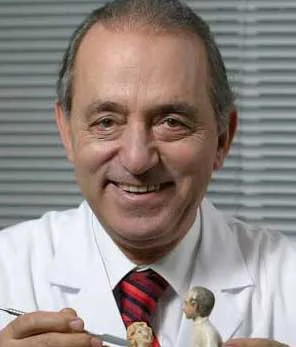
Prof. Dr. Erol Kışlaoğlu, a Plastic, Reconstructive and Aesthetic Surgery Specialist, provides very important information to families about the correct known misconceptions, first aid steps, and precautions that parents should take regarding child burns.
How to Treat Child Burns?
The treatment plan is determined according to the degree and severity of the burn experienced by the child:
First-Degree Burns: These are mild burns. They are treated by using special ointments to relieve pain, and the patient can be monitored at home.
Second and Third-Degree Burns: These are more severe and serious burns. In these cases, open or closed dressing methods are applied according to the patient's condition.
How to Provide First Aid for Child Burns?
Applying the correct first aid immediately in the event of an accident is vital to minimize the depth of the burn and tissue damage. The first aid steps are as follows:
The child should be immediately removed from the burning object.
The burned area should be immediately cooled by being held in a large and flowing amount of water.
If a large area is burned, a clean, lukewarm cloth or sheet should be applied to the burn instead of directly using water.
In chemical burns, the affected area must be thoroughly washed with clean water for a long time.
If a burn occurs due to clothing catching fire and the child starts running, it should be stopped immediately.
If a small burn occurs, special burn creams can be applied to it.
In case of second and third-degree burns, the patient should be taken to the hospital immediately.
Things That Should Not Be Done in Child Burn Treatment
The following are the wrong practices that are mistakenly believed to be miraculous and cause more damage to tissues:
It should not be applied to the burned area with toothpaste, pepper, wax, milk or yogurt. These foods and substances increase the risk of infection in the wound and make it difficult to clean.
Ice should not be applied directly to the burned area. Applying ice causes a sudden vasoconstriction, which can lead to a second-degree tissue loss (frostbite) and excessive heat loss.
Things Parents Should Do to Protect Children from Burns
The following are the basic precautions that parents should take to prevent burns and burns in children:
All kitchen appliances in the house should be placed in places that children cannot reach.
Matches and lighters, which are dangerous objects, should be kept away from children and should not be given to them.
Heaters and other small household appliances should be kept at a height that children cannot reach, and they should be turned off after use.
Electrical outlets should be covered with special plastic caps to prevent electrical burns.
Small household appliances such as irons, hair dryers and toasters should be kept in a safe place and turned off at the outlet after use.
Burns caused by pouring boiling water and spilling hot drinks are common in the period when children start crawling and walking. In this critical development period, parents should be more vigilant and careful.








