


#Advertising
- Cold Weather Doesn't Cause Illness in Enclosed Spaces! 6 Effective Methods to Protect Children from Infections
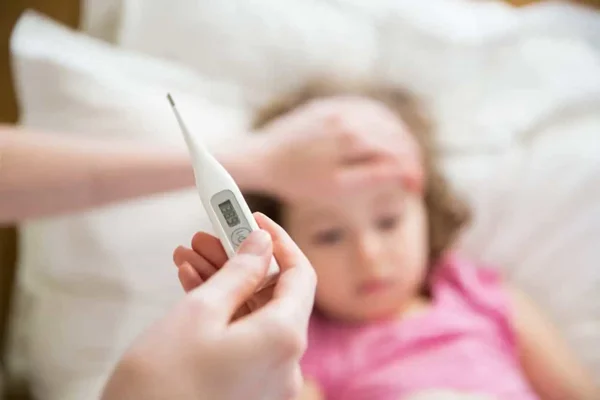
What are the Most Common Infections in Children in Autumn? Dr. Cigdem Kurt, stating that the risk of infection increases in kindergarten and school environments during autumn and winter, said, "We frequently observe symptoms such as runny nose, nasal congestion, cough, sore throat, fever, fatigue, and loss of appetite in children during this period. Influenza, RSV, and other respiratory viruses can start with similar clinical symptoms; especially in young children, the course of the disease can vary depending on age and accompanying risk factors." #Advertising
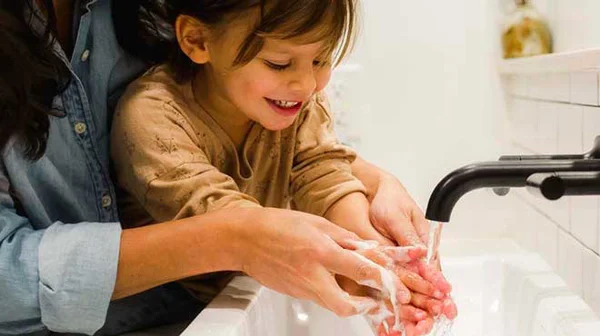
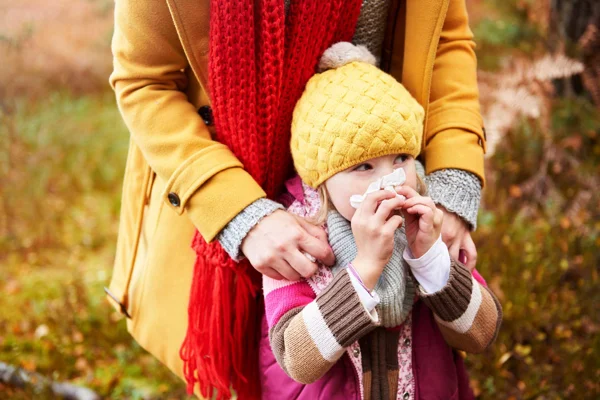 What Should You Do to Avoid Sickness at School? Dr. Cigdem Kurt stated that children should get used to personal hygiene rules in shared areas to protect themselves from viruses. Dr. Kurt listed the protection methods that parents can guide their children in the following headings: • Proper Hand Hygiene: Children should wash their hands with soap and water for at least 20 seconds after returning home, before eating, after using the toilet, and when coughing or sneezing. In cases where water is not available, children can use alcohol-based hand sanitizers with at least 60% alcohol under the supervision of an adult. • Use of Tissues and Elbow: Covering the mouth and nose with a tissue or elbow when coughing or sneezing prevents the spread of viruses into the air. • Classroom and Home Ventilation: Contrary to popular belief, cold air does not directly make children sick. The factor that causes illness is the close contact between people in enclosed spaces. Therefore, classrooms and rooms should be ventilated regularly. • Isolation of Sick Children: Children with symptoms such as fever, vomiting, or diarrhea, which are highly contagious, should not be sent to school but should be rested at home, which is critical for both their recovery and public health. #AdvertisingWhat Should Be Done to Strengthen Children's Immunity? Are Vitamins Beneficial? Dr. Kurt, who answered the frequently asked question "Which vitamin should I take to strengthen my immunity?", stated against indiscriminate supplement use: "Our goal is never to create a child who never gets sick, but to create a healthy childhood environment that can cope with illnesses. Instead of blindly taking vitamins and minerals, it is necessary to focus on a balanced diet, adequate sleep, and regular physical activity. #AdvertisingWhat is the Children's Vaccination Schedule and Do Grippe Vaccines Prevent Infections? Dr. Cigdem Kurt, who emphasized that complete adherence to the routine vaccination schedule is the most powerful weapon in preventing severe outcomes of infections, also stated that influenza (grippe) vaccines, which are seasonal, should be planned by a doctor depending on the child's risk status. Vaccination minimizes the risk of hospitalization and complications, especially in severe respiratory diseases.
Most Read

Iod deficiency causes learning difficulties in children
4467
What Should You Do for Your Child's Coughing Watch?
3710
What Should He Watch While Buying Sunglasses for a Child?
3323

How to Prevent Early Puberty?
3132
What Is the Right Time for Circumcision?
2534
How should burns be treated in children?
2492

How to Treat a Food - Chosen Child - How to Love a Child
2483
How to Keep Your Child's Teeth Healthy
2461

How do we understand developmental delays in children?
2209

What Does Special Needed Children Expect From Their Family?
2002