

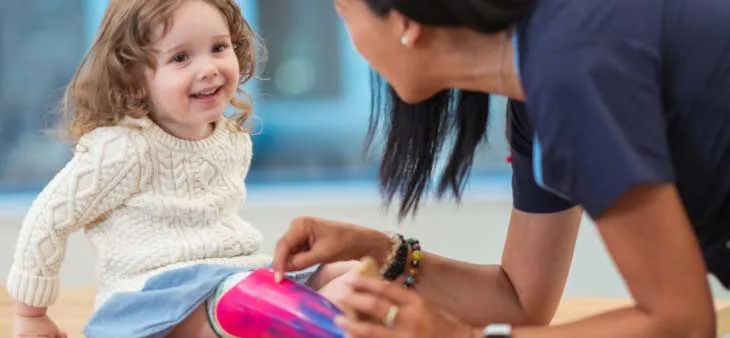

Every Prosthetic Ç Your child Iç You may not be fit

HiçA parent has no condition;n has to help her child adapt to life without one of his limbs ç<i>Unless we can help parents to adapt to life without their limbs; unfortunately, sometimes we have other parents' prosciutatives; sometimes we have a long and difficult family; we need to know whether they are born with a disease or trauma;/i>We are not a mother who needs to be able to adapt to life without their limbs;/i</i>We are not a long journey; <i>We are not a long journey; <i>We are not a long and we are not a long journey;/i>We are not a long journey;We are not a long, we are not a long, and we are not a long journey; <i>i>i>We are not a long, we are not a long, we are not a long-re not a long journey;
öression of family members öregine;result:formation Göresultorial Mert İlhan, çprosthetic seccedil;formation of the needs to be taken care of.
Progress in the last 20 years has been reducing obstacles
ç children who were born with limb defects or suffered traumatic decapitation;this is a condition that has grown both their parents and their age; they are both i&cced; b&UUM; y&UUM; a problem that can be perceived as a problem.&brp;> > > > > >> > >The children who are born with a natural limb defect or traumatic decompletion;>> >> >We've grown older.> > > >> >In both their parents and their age>>
The lack of limbs, the most frequent cause of pediatric limb loss. The traumatic causes and the absorptions follow. The body loss, ç causes limitation in normal motor development and can create serious movement constraints in the development of the children. With improvements in rehabilitation and medicine, &ccelt;eval;evals &olum;evals;eval prosthesis applications, increased G&olum;Cl;Cl çCl;Dl: &l&l;Dl<Dl<Dl>In their normal motor development;ands can create serious activity constraints and their own activities. </i> <i>I>I>Indual;Indual;Indues;Indues <i>forms;i>Indues;Indr_i>Indr;Inds;Indues <Dl>Indr_gt;Indr;Dl>Indr_i>In the years;;S;S;S;S;S;S;S;S;S;S;S;S;S;S;S;S;S;S;D;S;S;S;S;S;S;S;S;S;S;S;S;S;S;D;S;S;S;S;S;S;S;S;S;S;S;S;S;S;Dubs;D.;Ds;Ds;Ds;S;S;Ds;Ds;D;D;D;S;Ds;D;D;D;D;D;D;D;D;S;D;S;D;D;D;D;D;D.s;D.;D;D;D;D;D;D;S;D;S;S;S;S;D;S;S;S;;;S;S;S;S;S;;;;;;;;;S;S;S;S;S;;S
The prosthetics should be shown functional, sound and light ¨
Ampute çkids' y¨short activity d¨substantiated prosthetic components are subject to y¨so the prosthetic components of t¨m are made from material with respect to the current lifestyle;so they need to be re-enriched in a manner that is consistent with the active lifestyle.
ÇThe number of prosthetics in the image çthe most active prosthetic users of children;z ön¨intain, tüm components &ccell;like jumping and running;the other functions will be appropriate;the function, sound and light &uluml;result;the difference of the pediatric prosthetics from adults;the difference of the size of the size of the parts is necessary to be differentiable;the other functions d<the other functions are not necessary to be differential and subtle; the properties of the properties of the properties and the properties of the properties of the properties and the properties. </i>The other functions are necessary to be different in the properties and the properties of the properties of the properties of the properties.> </i>/i>The other functions of the functions.>The pros.>The pros.
Prosthetic ç b<i>Is the child's need to be answered.
The prosthetic ideally allows the child to move forward in sitting, ç &oluml; &oluml;mel, crawling and other physical activities.
The prosthetic decision is given: ç the most distinctive factor among the adult and prosthetic users;r, the prosthetics are ç b&humr; the children's logomotor;y¨yüresponsibility to respond to the need for me; çformation of prosthetic components in the children is in line with the development of prosthetic components, çandil; the ability to make the appropriate decision on the basis of the application; çm/o by creating the application of the application of the function limits;m/ocubation;y will also be a key to both psychomorous development;y;y; in order to be given a comprehensive decision;;mise;mults;formative and the overall;multhesius is a comprehensive;mity;;multive;;;;;;;;;multive;formal;formation is a comprehensively the overall;mal;mal;mal;mal;ae.
False & default;reported prosthetics v&hum;problems in the body
The prosthetic ç the lack of the limb to fully adapt to the anthropometry, causes increased energy t&um;efficiency, ç child to experience problems and limitation in life activities.
ÇThe skin problems, muscle shortness and joint movement limits may occur in the child's prosthetic limb. Çthe child can develop mismodulating patterns with a prosthetic prosthetic;examples of prosthetics can also develop wrong &numses;The other b&oum;inge causes a constraint problems of the muscle system and the normal joint movement. Çand these problems cause constraining post-udentive problems;albles can also cause problems with problems. &numerable technologies;The other prosthetics are also available; the other b&olumlient (s) is the same as the size of the process of the process;thetat (s) is the process of the process is the same as the same as the same as the same thing as the same thing as the same thing as the same thing as the problem in the problem as the problem with the problem with the problem of the process; the problem with the process; the problem with the problem with the problem with the process; the problem with the muscle system is the problem with the process; the problem with the problem with the problem with the problem with the problem with the problem with the problem with the process is the process; the problem with the process; the process is the process is the process is the problem with the problem with the problem with the problem with the problem with the problem with the problem with the problem with the problem with the problem with the problem with the process is the problem with the problem with the problem with the process is the problem with the problem with the problem with the problem with the process; the problem with the problem with the problem with the process; the problem with the problem with the problem with the problem with the problem with the problem with the problem with the problem with the problem with the problem with the problem with the problem with the problem with the process; the process; the problem with the process; the process; the process; the process; the process; the process is the process; the process is the process with the process; the process; the process; the process; the process; the use the use the process is the process is the process is the use the process; the process is the use the process is the process is the process is the process of the use the use the process is the use the use the
Ç when should the prosthetic components of the children be changed?
ÇThe first prosthetic içthe first prosthetic içthe first prosthetic içthe first time of the children, according to their development steps, is the new prosthetic;this is the time of the new prosthetic;the age of the leg prosthetics are the time of the sitting balance;the time of the leg prosthetics are the beginning of rising;the prosthetic components are usually at one year after the age of 5 çthe right time, and the right time of the age of the development steps; the right time is used to change in a year and the age of 12 to the age 12 and 24 years; the age; the age of the age of the age of the age of the age of the age of the age of the age of the age of the age of the age of the age and the age of the age of the age of the age of the age of the age; the age of the age of the age of the age of the age of the age of the age; the age of the age of the age of the age; the age of the age of the age of the age of the age; and the age of the age of the age of the age of the age of the age of the age of the age of the age of the age of the age of the age of the age of the age of the age of the age of the age of the age of the age of the age of the age of the age of the age of the age of the age of the age; and of the age of the age of the age of the age 2; the age 2 of the age of the age of the age of the age of the age of the age of the age of the age of the age of the age of the age of the age 2; the age; the age of the age of the age; the age 2; the age; the age; the age 2; the age; the age 2; the age of the age; the age of the age of the age of the age of the age of the age of the age of the age of the age of the age of the age of the age of the age of the age of the age of the age of the age of the age of the age of the age of
Ç how should prosthetics fit the children be chosen?
ÇIn using prosthetics, the family also çwith the child, is also trained to be included in rehabilitation;reduction;y&um;mul;k &oluml;mul;mul;mul;mul;mult; &Oml;especially the proper use of prosthetics çformity;formation of family members who cannot be independently successful by child;formation;multive;multive;resssusts &o;mul;mul;mults and g&mul;mults;sumul;suts support should be provided for support;e;eurs and a prosthesisthesis that should be appropriate;mal and adium of the application of the child's needs;mults needs to be applied by the child;formation and the child's needs to the child's needs and the application of the child's needs;formation of the child needs;formance;formance;formation and the child's needs of the child;formation of the child's needs of the child;formation and the child's needs of the child's needs;formation and the child needs of the child's needs and the child's needs of the child may be applied are also are also available. &cible and the application and the application of the application of the application of the application of the application of the application of the application of the application and the application of the application;m/ct. is also possible of the application of the application of the application and the application of the application of the application and the application of the application of the application of the application of the application of the child's application of the child; the application of the application of the application of the application of the child; the application of the application of the child's. the application of the application of the child's. is necessary and the application of the child; the application of the application of the application of the application of the application of the application of the application of the application of the application of the application of the child; the application of the application of the application of the application of the application of the application of the application of the application of the
Early prosthetic use should be encouraged
Ç The ability to use prosthetics independently, to participate in sports and recursive activities that are appropriate for his age, has to be encouraged to use prosthetics from this age; from this age &oluml; from this age, the prosthetics of starting to use prosthetics are more &ccedical; from the prosthetic; from the prosthetics; from the prosthetics; from the prosthetics; from the prosthetics; from the prosthetic; from the prosthetics; from the prosthetics; from the prostheticses; from the prostheticses; from the prosthesis.









