|
|
Did you know that we have 4,000 to 6,000 harmful microorganisms per square centimeter of our hands? He says that a million children can survive every year by washing their hands, and it's because when they don't wash their hands, they get many diseases, including hepatitis A, diarrhea and tuberculosis, especially when they don't wash them properly. Infection Diseases Expert Dr. Hülya Kusoglu explained how to provide children with the most effective and simplest way to protect them from infectious diseases.
|
|
Unseen Bacteria, Virus and Parasites - Handholds
Journal
The most polluted organs in life Hands on his head, though they may look clean, the bacteria is invisible on them., like virus and parasite eggs, many diseases can carry constructive factors.
Squeeze Harmful in Unwashed Hands Microorganisms Replicate
Unseen microorganisms can be transmitted in children through ways such as hand-to-mouth, hand-holding, food, or furniture sharing, and the purpose of washing hands is to remove harmful microorganisms found on hands, because unwashed hands become open to the proliferation of microorganisms.
Fingers Can Become Germs' Nest
After contacting environmental, animal, or other people, harmful microorganisms that cause flu, diarrhea, or even tuberculosis
♪ With our hands to our body ♪ The hands have more microorganisms, especially because the thumbs, the fingertips, and the fingertips are the most common contact points.

The Most Effective Way to Protect From Contagious Diseases - Washing the Right Hand
Handwashing is harmful to respiratory infections, such as flu, diarrhea, and pneumonia, especially cold.
It's the simplest and most effective way to prevent microorganisms from being infected, for example, by teaching our children the right way of washing hands. We can protect 53 percent of diarrhea, 50 percent of pneumonia, and 43 percent of bacterial infections from skin called impetigo.
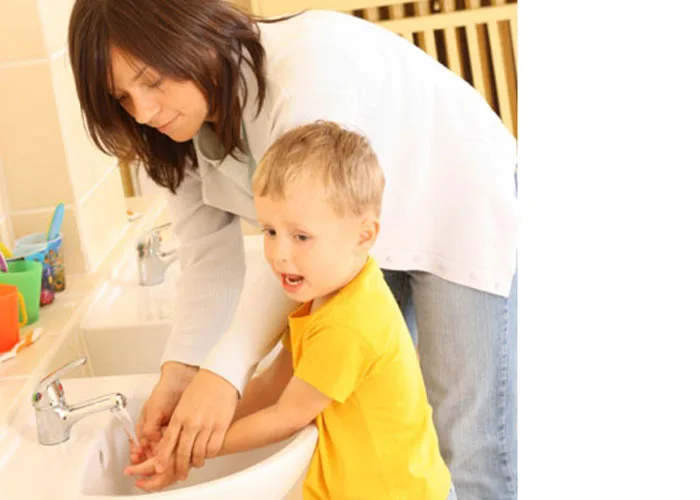
Wash Your Hands With Your Child
Handwashing habits are required from childhood to pre-school age. Parents often give children
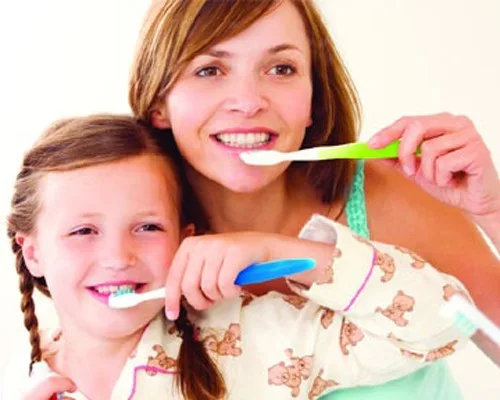
Don't wash your hands. It is important that they give advice about the matter, first of all, that they are good models, and the best way to learn the correct washing technique is to wash with the child.
Fun To Your Child by Methods Love Handwashing!
Kids having fun They like to learnSo try to make it fun to teach your kid how to wash hands, so you can go around the sink. Fun pictures or hands in the form of a toy or cartoon character that he loves You can place reminders, such as pictures that show you what needs washing in situations.
And when teaching your child the importance of washing hands, never pressure him, but tell him that he can be protected from many diseases by washing hands in a calm tone, and if he resists, try another way that will interest him to solve the problem.
Hands must be washed at least 30 seconds!
Although washing hands may seem simple, there are rules to be followed, because according to scientific studies, microorganisms are not washed from the hands unless they are washed for a certain amount of time and proper technique, so your child needs to wash his hands for at least 30 seconds.

What Is the Right Handwashing Method?
An effective one
Your child needs to be provided for hygiene He needs to know how to wash his hands:
- Before Your hands must be soaked with water
- Washing his hands with soap,
- He should rub his fingertips and his fingertips, his thumbs, his palms and his wrist curves,
- He should rinse his hands under the water,
- Clean your hands after washing.
It should be dried in a towel.
When Children Should Wash Their Hands
- When I woke up in the morning,
- After I go to the bathroom,
- Before and after meals,
- When I came in from the street,
- When the contamination was detected,
- When you use your hands during coughing and sneeze,
- When you're in contact with animals
Teach him to wash his hands.
|
|