|
|
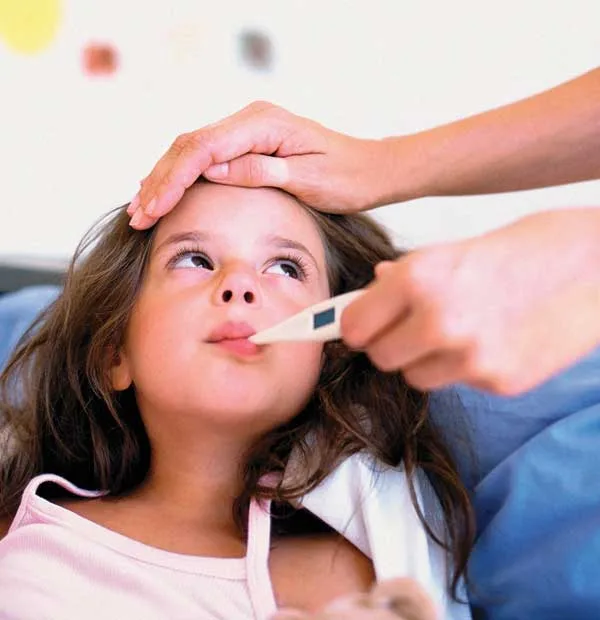
In particular, the high respiratory disease, the parents worry about the children. These symptoms, such as fever, throat pain, nose current, cough, sneeze, can lead to severe diseases in children, even if they are not treated correctly and consciously. Prof. Dr. Metin Karaböcuoğlu has given information about the measures and treatments that children should be treated for.
| |
School year It's getting more common.
Top The respiratory pathways are the part that starts from the nose to the entrance of the rib cage when a person is looked at from the nose to the nose, cold, flu, ear infection, nasal infection, sinus infection, encephalitis, and breath. The problems such as trachea infection (laringitis) and tonsilitis (tonsylitis) are common high respiratory diseases.
Home Children Begin This Disease Is Common
The top respiratory infections are at the beginning of the most common diseases that parents take their children to doctors, and healthy children can get six to eight upper respiratory infections a year, especially in the years that they've been in the first place or in school.
Top Airway Diseases When Is It Most Often?
St. respiratory disease differs from the season. Children often get the upper respiratory disease in the first half of spring, the last half of autumn and the winter months, because in these times, both the air and the people spend more time in closed spaces and live in more and more private areas.
Mistreatment Can Cause Heart Rhythmism in Children
If the parents have had allergic diseases in the past, their children's persistent coughs may be an allergic disease. Much of their upper respiratory tract infections are caused by microorganisms, which we call viruses, and although they do not need antibiotics, they may need to use the right dose of antibiotics, or children may develop the right dose of antibiotics and heart rheumatisms, which are caused by the common population by the form of the glands called "Beta."
When the middle ear infections are not treated, there is a possibility that the eardrum will pierce and flow out. In some cases, the lower respiratory tract infections, pneumonia, and bronchitis can develop behind the upper respiratory infection. In this case, it is wise to be cautious and take the child to the doctor if there are symptoms of fever, fever, severe breathing, and a rash.
Common errors in upper respiratory diseases and suggestions to parents to protect their children:
"The child has a fever" should not be given unnecessary antibiotics. An expert should be consulted and treated according to the child's illness.
Three Every time a child is fired from under the moon, his doctor must be informed that children over three months old, despite all the fever-resistant fevers, he has over 48 hours of fever. If he is unable to eat, if he feels weak and unhappy, you must see a doctor immediately.
Anne and Fathers believe that when a child is sick, they will feed him more vitamin C, oranges, tangerines, lemons, and protect him from disease during the winter. According to recent studies, taking too much vitamin C in healthy individuals has nothing to do with protecting their children from diseases. They'll just have to feed you vitamins, fruits and vegetables.
Parents should keep their children away from the public and the people who are known to be sick as well as possible.
The only thing that has been proven to protect from diseases is breast milk. Mother's milk protects the child from many diseases, including middle ear infections and upper respiratory infections. Mothers should feed their babies with single breast milk for the first six months, if possible, and then breast milk for 18 to 24 months after 6 months.
Families should not smoke and not allow smoking in front of their children.
Although cold is not a single cause of illness, families must be careful to protect their children from the cold.
|