



"What Does My Child Eat at School?" | |||||
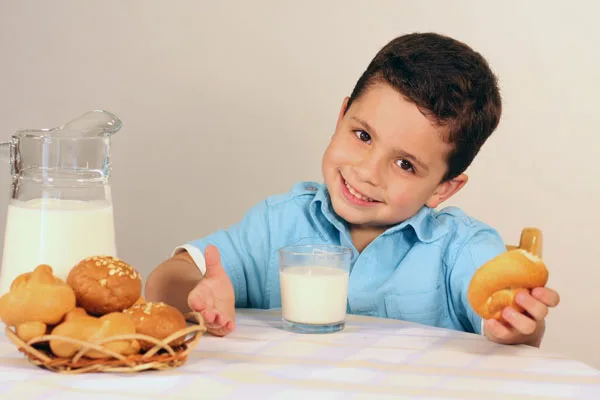
School Early in the era Some chronic diseases that can be found in the increased physical growth and development, the accelerated bone formation, the gain of life-long behavior, the feeding. It's a time when the foundation is laidGolden meal is breakfast for kids who go to school.Breakfast is very important to start the day in a fit and in activities that are done during the day; to understand, to understand, to remember, and to work efficiently, but also to ensure control of some diseases that can be seen in children.
♪ Without Breakfast ♪
Milk, cheese, eggs are nutrients that contain the best quality proteins in the growth and development of children. It's a food that helps brain development with oil acids in its contents, and syrup, honey, peanut butter, or jam are carbohydrate nutrients that can contribute to children's daily energy. They increase concentration, and there are two healthy choices for a drink in breakfast, freshly squeezed juices and milk.
2-3 for breakfast. Bread
Fresh fruits, sliced with greens such as tomatoes, cucumbers, sparkling, peppers, must be kept in season for breakfast. Every child must eat 2 or 3 slices of bread at breakfast meal.
Not Bored With Your Child & Drink; Different Alternatives in Breakfast
Grain, walnuts, olives Breads are also preferred to have fiber content that contributes to children's growth, and sometimes children can be given cereals for breakfast to help them thrive. And if you put nuts in, breakfast will be more adequate, and sometimes you can get cheese or veggie pancakes for breakfast, or a pie or bagel for the kids to be bored.
To Find Out What You Eat at School Work
Most schools have a monthly menu in advance Plans are to help families make better choices by telling their children about the food and content found on these menus. Children often make better choices instead of vegetables and salad instead of pasta, rice, pasta, and vegetables at lunch. And they prefer carb foods like pies, which is the job that family does at this point, and it's the job to tell their children that vegetables and salad are not to be eaten in a large amount of pasta.
In your child's bag Walnuts and Almonds Sheep
If the child is not given a lunch bag in school, you should be in the habit of taking a break from breakfast to lunch and from lunch to dinner. It shows that they consume, and the main meals also show that they sometimes skip.
Children who come home early in the afternoon often eat a lot The boy who has the right meal doesn't skip his main meal and he eats it regularly. The best choices can be fresh or dry fruit, nuts, walnuts, almonds, one can of milk or buttermilk, one slice of home cake or cookie.
Practice for Parents Ideas
6. Children must be carefully treated for a quiet and comfortable meal without being forced to.
|











