CHILD NUTRITION AND HEALTH

Protect Your Children From Summer Diseases

Dr. Gökçe Günbey Eman tells the children about the health problems and treatments that are seen in summer.

Protect Your Children From Summer Diseases New
27 June 2011
Publication Date
27 June 2011
Last Updated

Protect Your Children From Summer Diseases

¨ImageAlt3042¨

The summer for children is about free play, free play in pools, sea and outdoors, but families must be very careful about the summer sickness that can come with these activities. Children's Health and Disease Expert Dr. Gökce Günbey Eleman has informed children about health problems and treatment methods that are seen in summer.


Hot Weather Invites Boiler


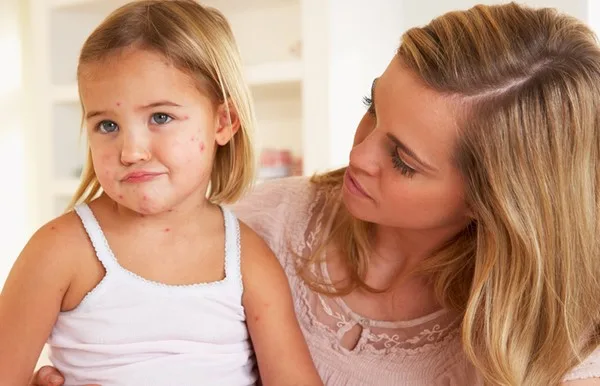
Itchy is a slight lump of skin and pinkish skin, which is a result of the blockage of sweat glands, which causes increased rashes of hot and damp air, which is consistent with rashing of skin, which is consistent with infection. It can be added to the table. To prevent it, you need to bathe often, wear cotton clothes, and your skin get as much air as possible.


A Prick Can Poison Your Child's Day


A rash is one of the most common skin diseases in babies, and it is seen in red, bulging lesions in the hip and thigh area where the gland is touching.Pixels can repeat during the period when your baby uses diapers, and the frequency of the summer is increasing by the heat and humidity.


How to Avoid Pises


• Change your baby's diaper often.


• If possible, rinse the diaper with warm water after changing diapers, especially in the early months when your baby's skin is sensitive, do not use wet wipes to clean under the surface, and in the following months, prefer those that do not contain alcohol or perfume.


• A clean towel
and dry gently and air out your baby's bottom so that the skin will dry faster.


• Do not tighten the cloth too much and make sure its skin is airborne.


• Using rash protective creams containing zinc oxide after each diaper change will help prevent rashes.


Summer Ishali Can Be Dangerous


In the summer, infections are at the beginning of the causes of diarrhea. The germs that give you diarrhea in summer are viruses, bacteria and parasites. Some of these microbes can have summer-winter diarrhea, while some of them can have winter months, one month. Diarrhea is found in the most frequently 0-5 age group, and in developing countries, the first two-year-olds are the cause of death.


How to Treat the House of Light Diarrhea Events

  • Babies who buy breast milk are still breast-feeding.

  • ♪ Who doesn't take breast milk ♪ In addition to the liquid foods used to children and babies over six months old, rice porridge, bananas, applesauce, yogurt, buttermilk such as foods.

  • Until the diarrhea passes Staying away from fibery and fatty foods.

  • The meal is recommended to be given water between them.

In cases of mid-weight diarrhea, you start mouth-to-mouth treatment (electrolyte solutions) at the hospital. If the treatment is good, you start feeding in 4-6 hours and you send the patient home. If you vomit, you will be suspended and retested and treated with an acute vomiting and a general condition of decomposition, and in case of an IV and fluid treatment. It might.


In cases of severe diarrhea, the patient is admitted to the hospital and treated for vascular and fluid.


If the feces are in the presence of blood and inflammation cells or if the diarrhea doesn't improve in seven days, the culture of feces should be taken and if necessary, antibiotics are treated. It must be started.


Watch out for sunburns!


When exposed to the sun for a long time, the skin first develops a rash (first degree burn), and longer-term damage is followed by blisters filled with water (second degree burns). Hair, color eyes, freckles are more sensitive to sunburns.


• Do not bring children to the sun between 11:00 and 4:00 p.m., the busiest hours of sunlight.


• Dress your child in light, cotton - cloth, loose clothing, and put on a broad trench hat.


• Apply protective lotion to your child at least 20 minutes before setting for the sun (SPF) which is higher than 30 (the protection factor should be over 50 for children with open skin and babies) and repeat it with a 3-4-hour interval.


• Remember that even in the shade, your child may burn with sand and sea - reflected rays.


• In adolescents who want to tan, they must use protective lotion, stay in the sun for 15-20 minutes on the first day, then increase that time by five minutes every day.


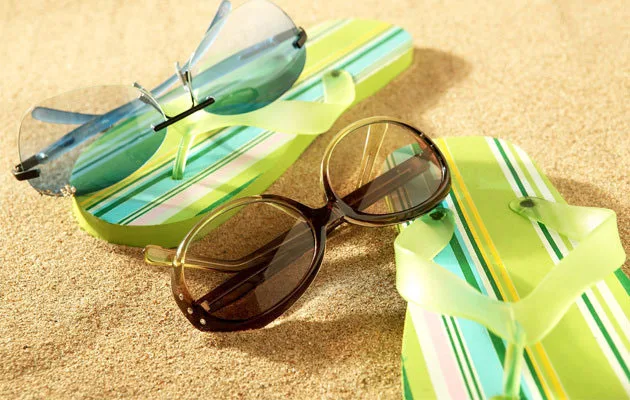
• Keep your child's eyes from the sun and buy UV-protected sunglasses.


Do not let the Bug, the Bee and the Flies spoil your child's health


Apply cold compresses and ice to the bit area, and try to remove it by pulling it out with a knife back, not tweezers, if you have a needle. In addition to using steroids and antihistamine pomatas, you can also use syrup (antihistamine syrup) from the mouth. If there is pain, pain can be taken in the medicine, which we rarely call an anaphylaxis in bee stings can develop and require immediate intervention.