|
|
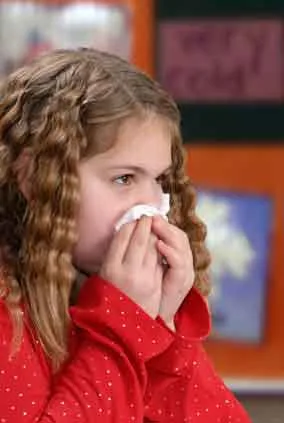
The most common diseases in schools are infections such as the upper respiratory infections that children infect each other, flu, hepatitis A, (the microbial jaundiced strain of type A hepatitis), chicken pox, which can be protected from such situations as bowel worms, mandible conditions.
Dr. Ali Shal, the child health and disease specialist, is giving important advice to parents.
| |
Children Need Health for Successful Education
Especially when children are just starting primary school, they need to be informed of the food that's being sold out, before feeding time and after toilets and before they can use their hands. The importance of soaping is to be explained.
Some infectious diseases are sneaky, and students are infected with a lot of diseases, and children living in a neighborhood every day are very common, and they are at the beginning of high respiratory infections.Flu, rash disease, hepatitis infections.
Children may also face different diseases by opening schools. Children must be healthy for successful education and teaching. Some infectious diseases are very sneaky, and the child himself may pass the disease on to other students, although he is not sick.
As schools begin to open, the weather begins to cool down, and the children's adaptation to school and season also becomes difficult.
When the kids run and play in school, sweat and cold, Not having enough classes to take off can cause the growth of dust and germs in the classroom, especially children with chronic illness such as asthma, kidney disease, and heart disease, anemia, in this sense. He may have trouble living together for six to eight hours a day, and the crowded student population, which is very difficult to live with, makes it easy for other students to pass a child's disease with infectious disease.
En The Common Disease Flu
The flu is a disease that is transmitted through respiratory disease, which is infected with cough, fever, fatigue, and cold. The sick children are not sent to school, can be prevented by airing closed areas. The flu vaccine can be done by the doctor's suggestion for children with risk factors from six months ago. Especially those who have frequent respiratory infections, allergic to diabetes, children with chronic heart disease and kidney disease, children with risk factors.
If children are first vaccinated from 6 months to 35 months, they are given half a dose of vaccine twice a month apart, and this age group only needs half a dose, which is 0.25 ml, when they're vaccinated the next year.
A full dose of children over the age of nine is applied once in the fall.
N is recommended to administer two doses by a few months. A single dose of vaccine is sufficient for children who have already been vaccinated under nine years of age.
♪ measles, measles, Red, chicken pox ♪
School age kids too The rash disease can be prevented by a vaccine of measles, measles and chicken pox. Red is a disease that is suffering from throat pain, fever, rash. There is no vaccine for this disease, which is caused by the bhemolitic streptococcus, and it is cured by antibiotics (penicilin). B carriers who do not give symptoms with throat cultures can be detected and treated in a special way..
Attention to Hepatitis Moon
Another disease that is important in children is hepatitis A. Especially with feces contaminated food, fecal hepatitis (yellow) in the mouth, and school children are often exposed to hepatitis A (sins). Hand sanitizer is possible.
Children must be told of the importance of hand cleaning every day before school, especially children who are just starting primary school, before and after feeding period and the toilet, and they must be advised to wash their hands often.
Gut Worms
In cases where children are not properly paid attention in toilets and hand cleaning, intestinal worms (parasites) are also visible. The sale of open and inappropriate foods also causes the infection of intestine worms. It is important for children with bowel worms to be infected with nasal rashes, a rash in the macat, sometimes abdominal pain, weight loss, an appetizers. If tested, it is possible to be treated. In protection, it is possible to wash hands with soap, and then to wash the open foods, and to wash very well with vegetables and fruit. Some children with the habit of eating nails can also be taken with enfortes.
Scab and Bit
Diseases such as mangy and lice are also the problems that children face, and in order to prevent these diseases, children need to be treated by identifying patients, and to meet personal hygiene conditions.
What Should Be Done during the Contagious Disease?
• Children diagnosed with infectious disease should not be sent to school until the doctor recommends it.
• School should be informed of these diseases.
Children who are close to the patient should be followed in terms of these diseases.
How Can You Take Containment From These Diseases?
Children must be given a general examination before starting school.
Each student's medical file must be kept and the health care and treatments that are present, the properties that cause the disease, the predisposition for the disease, the health problems and the treatments they receive during the year must be processed in this file.
School scans must be conducted at certain intervals. This is particularly useful for health problems such as sight, hearing, infectious diseases, tooth bruises.
Children should be taught the way to stand and sit and direct children to their own interests.
Children and families must be informed about health food and immunity.
| |