|
|
Cancer has a negative effect on the psychology of children and adolescents as well as on the long and challenging process of treating children who are entering a psychological and physical change with cancer diagnosis. Psychooncology Specialist Evalin Bicer suggests that both the child and his family be followed by a team of psychiatrists, psychologists, pedagog and family therapists from the early days of treatment in childhood and teenage cancer treatments.
| |
Children and Family Must Act in Harmony
No doubt, at all ages As your children are. In cancer treatment, psychological support also complements treatment and increases success.
In addition to the disease related factors, such as the type of disease, treatments and side effects, the child's development processes, past life history, potential psychopathology, relationship between his parents and other psychosocial factors during treatments need to be assessed.
Stress of Your Child How Do You Know It's Under It??
The child who feels stressed is often having a problem of regression and the child's ability to observe the properties of the previous developmental process, such as finger sucking, sticking to his parents. Children cannot develop long-term cause-effects relationships in life and death, such as adults. So when faced with long and challenging cancer treatment, the long-term treatment is becoming an important agenda in the treatment of children and their family.
Every Your child is psychological Reaction Different
The child who has witnessed a person who has been treated or has suffered a loss, and his perception of the disease and psychological responses may be different, as well as the child who has difficulty understanding the changes that chemotherapy and radiotherapy have made in his body; the refusal to want to be treated, the refusal to go to the hospital, the anger of the treatment team.
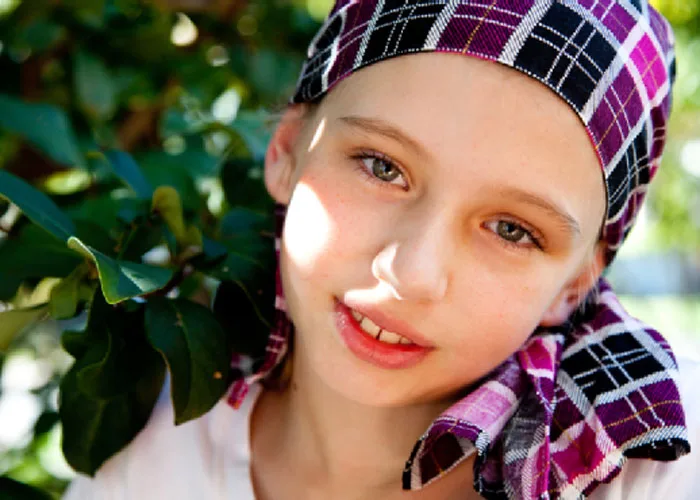
Children who are treated for cancer can manifest themselves with severe expression of their problems in school and social life because of different images. The child sees himself differently from other children and is ashamed of his appearance because of changes in his appearance during the treatment process. The child has difficulty communicating with family, relatives, friends and acquaintances both in the hospital and social environment.

The Importance of Psychology in the Success of Treatment
With physical problems such as nausea, fatigue, pain, weakness, and severe crying, aggressive behavior, behavioral problems, or disorders, the children who have been treated for cancer for a long time are also more frequently experienced in anxiety and depression than in healthy children.
And the psychological goodness and the physical condition.In such cases, the approach and support of the family and of those who spend time in social life is of great importance to the child's psychology in the process of treatment.
Why Me? The Question Triggers Anger and Depression
In the teenage age of abstract themes, cancer is a chronic disease, long-term side effects of treatment, and concerns about the future. At this point, when friendship and individuality are important, the child becomes more dependent on family and treatment because of treatment. Why me? When added, anger and depression can accompany anxiety.
Urgent Psychiatry Intervention What Is the Need?
Home life can also be affected by the psychological effects of the disease, because it also lives in the treatment process, and also by the family members of the child and the adolescent. In this period, emergency psychiatric treatments can be seen, besides depression and anxiety, can be seen, and it is important to receive appropriate support and advice in terms of the long-term psychological effects of treatment.
|