
New research shows that emotional zakâ developing the class is a significant increase in the achievements of the genre both academic and personal. Emotional intelligence; &oluml;formation is a critical role in the field of awareness, empathy, &oluml;such as control, social skills and motivation; and the elements of the children &oluml;resss &oluml;ress;rests;ressss===
The experts are familiar with their emotions and their ability to understand, and the workers are familiar with their emotions, and they are able to better focus, and the problem is ç &olum;/oamp;i&i&i&i&i&i&i&i&i&i&i&i&i&i&i&i&i&i&i&i&i&i&i&i&i&i&i&i&i&i&i&i&i&i&i&i&i&i&i&i&i&i&i&i&i&i&i&i&i&i&i&i&i&i&i&i&i&i&i&i&i&i&i&i&i&i&i&i&igtgtgt;i&igt;i&i&i&i&i;i;i&i&i&i>i&i&i>i&i&i&i;i&i;i&i&i&i&i&i&

How to Increase Emotional Intelligence
What Is Full - Is Emotional Intelligence?
Emotional zekâ is the ability to recognize our own feelings, understand and understand and influence the feelings of others. This concept, which is being integrated by psychologist Daniel Goleman, is divided into five basic components:
- Öz Awareness:To know our own feelings and understand how they affect our experiences and actions.
- Öz D¨enhancing: D<r<i>Subjects to control the emotions and behavior, focus on the situation, and the ability to stay positive in difficult situations.
- Motivation:External öd<i>Externally i>i>I>I>I>I>I>Implify personal and professional goals for personal and professional reasons.
- Empathy: understanding other people's feelings and responding properly.
- Social Skills:To be able to effectively manage relationships, inspire others, lead others, communicate in a poor way, and get used to the team i&cceml; to be good &cceml; to be able to get used to it.
- What Can Be Done?
The education students say that the emotional zekâin social-feeling &oluml;results of education (SDÖ) are effective in the class environment, such as the study, group activities and guidance çthe information is effective. Türkiyeya’de the Ministry of National Education has started to focus on education and school-based projects in this area in recent years.
Emotional energy;i&i&i&i&i&i&i&i&i&i&i&i&i&i&i&i&i&i&i&i&i&i&i&i&i&i&i&i&i&i&i&i&i&i&i&i;i&i&i&i&i&i&amgt;i&amgt;i&amgt;i&amgt;i&amgt;i&amgt;i's the most people who are more resistantly more resistantly more resistantly, better, better, better, better, better, better, better interpersonorable relationships, and have relationships, and more motivated, and more motivated by their careers......
In class, developing emotional zek&acic; both the producers and the educators için çhe's a huge benefit;:
Academia Develops Performance: Emotional intelligence;Ksek &oluml;Develpers, exams and school öEstructive stress and anxiety about their subjects;they often perform better academic performances; they promote better stress and anxiety in their lives.
A Positive School Creates Environment:The classrooms where emotional zekâ is highlighted include less ç more harmony and discussion among the workers.
He develops Life Skills: Emotional intelligence is vital not only in school years, but also in the way that the workers prepare to be troubled, to face challenges in adult life.
It reduces tyranny: Empathy and mutual understanding help reduce emotional intelligence, bullying and school abuse.
As a result, the integration of emotional zekâ into the education system is not only academic success; öformers &oluml;iz g&um;i&u;i>and their strength and their life skills are also g</i>so emotional intelligence in classrooms. ¸i>Designation is becoming a part of indisputable parcel;/i>Ims giving up the education of the poor.
Studies show that emotional zekâ the development of these skills is directly affecting the academic success of children. They are more motivated, focused and cooperative; but they are only developed by the fact that adults in the school environment are active, not by ç not by the child; ç also by the active role of adults in the environment; ç not by the adult.

The task is to create a gö environment in the home, a well-supported and supportive communication environment. Ç letting the child express his feelings, listening without judging him and helping him understand his feelings, emotionally evaluating the emotional zekâ making the family a model in social relationships. ¸ also empathic dialogues; ¸ also modeling the child's social relations.
Emotional Intelligence Development in Class
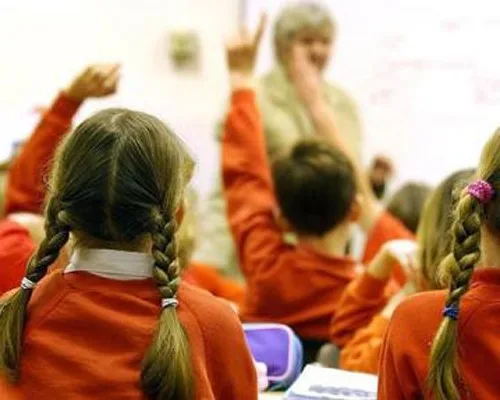
The process is to plan events that encourage emotional awareness in the classroom. &Om;To make the workers share their feelings in their group ç çto guide the students in their fighting moments and protect the positive language, &oluml;to enrich the environment of creation.
The development of emotional zekâ in the classroom is a long-term investment in both academic achievements and life skills; the integration of social-sense ç the integration of the development strategies to education environment, not only the lesson success of children; it also makes the psychological endurance of the children g&jup; ç ç it also makes the education a better way to improve their psychological endurance.
Trainees and parents can provide support for children by creating a supportive atmosphere in class and home, providing them with their ability to recognize their feelings, empathize and stress. Experts say that activities that allow children to express their feelings are &mashing emotional awareness.
Emotional zek&acic; developed ç children are more motivated at school, more adaptive to social relationships and more resistant to the challenges of life. The emotional d¨h<i>The ability of educators to focus on applications that promote education is a solid basis for both academic and emotional development;/i> from the fact that the producers are both both academic and emotional;i>Is a stable development g&oluml;i>Is a solid basis for the development of education.
As a result, emotional zekâ is not just an individual ability; family, &olum; teacher and &ominist;progressive ç a skill that is developing in your genes; each step that supports this skill increases the school success and quality of children.