

We asked Behavioral Science-Play therapist-Ç Child Developmentist Thinga Gazezoglu about the game therapy.
What Is Game therapy?
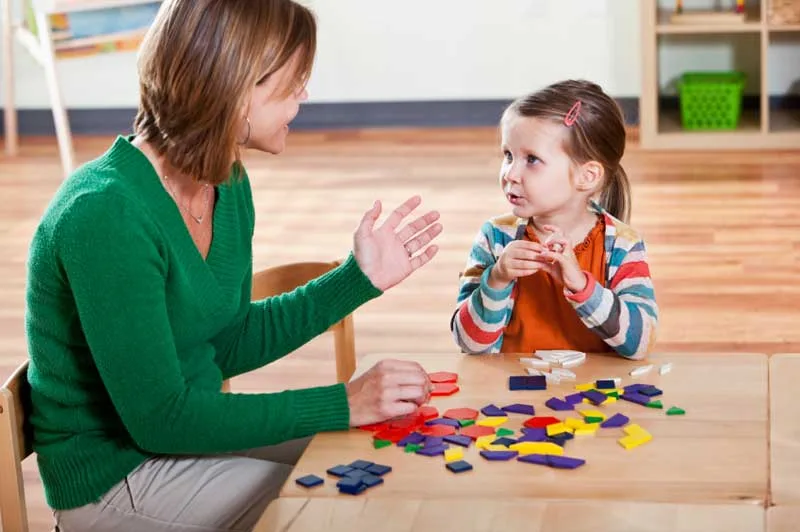
Ç there is only one environment where children express themselves most freely, cannot hide their emotions. Through games and toys, expressing themselves, telling themselves, telling themselves, is called game therapy.
Haim G. Ginott’un says, ‘Toys çToys are the words of the child. His game is what he means. ’ Ç When we encounter a problem in the child, it is unfair to expect that we should be a grown-up when adults are often forced to express themselves. > > >We can't expect that we should be a grown-up.> > > > > >In the children are forced to express themselves.> > >
Play therapy, as it helps the child to develop and develop, and contribute to the child's development, as well as to the problems and challenges he has experienced. (Carmichael)
Ç by Game; Spirit DüDefense by Child
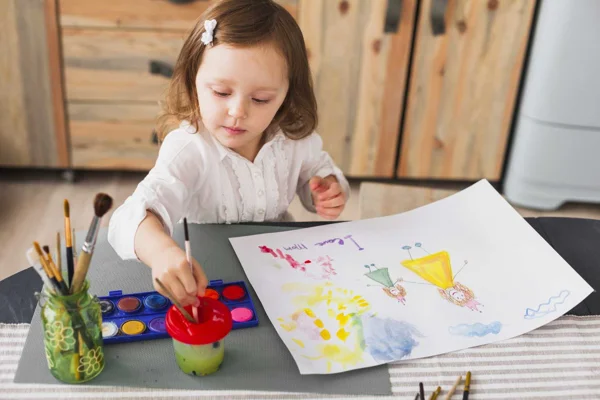
The game ç a therapy that makes them happy and relaxed, as well as supports the child's cognitive, language, emotional, mind, social and motor development. Through the game they have the opportunity to express both positive and negative experiences. By reflecting their problems, their ability to express their problems, their ability to communicate and empathy improves.
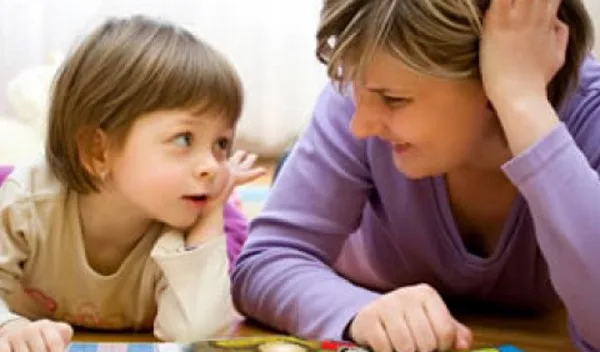
ÇThe children can express themselves;in çin;equal toys should be presented. Çchild should also be encouraged to play as he wishes. &olumn;a part of the essential factors is the therapist's teramul;the therapist's terapy;the technique he set up with the child;the key link;the part is that the therapist should also create a happy play environment;and the most &oluml;the most important thing to do is to accept the rules of therapy;the therapy should be made by the therapy;the rules of the game;the therapy should be made by the therapy;the rules are çthe rules of the therapy;the rules of the therapy must be understood;the therapy;the rules of the therapy must be established by the therapist;the rules;the therapist;the rules are the rules of the game;the game;the game;the law;the rules of the game;the therapy must be established;the doctor must be established;the doctor;the doctor must be established;the therapist's g&cceil;the therapist's g&cceil;the therapist's g&ccelt;the therapist's g&ccelt;the same thing;the);the therapist should create;the &ulumult;the therapist should create a happy;the happy;the happy;the therapist.
Ç Kid, Can Pass Troubles Through Game
Ç children can convey their problems through games and toys during the game; d¨ we have improved the boy's game; they can easily project their emotions, fears, experiences and traumas through toys. Ç the child has experienced a game of therapy; they can convey their problems through games and toys. &ccell; the child's game is improved; the child's problems are easily ç&o; &olum;mulal;mul;me;me;muls;mulsolose;muls;muls; the therapy; the therapy;; the therapy; the problem is not made more relaxed; the child's play is made to feel better; ç/o; the child's game is easy to relax.
What Is the Purpose of Game therapy?
The goal of game therapy is to recognize and minimize behavioral and psychological problems that the child cannot handle in life. The other goal of game therapy is to make him feel good, to make him feel happy.
Üç çequal game therapy. Non drectif (yöindulted), Kognitive (cognitive behavioral behavioral) and Phileal therapy (including your parents). In game therapy sessions are approximately 45‐50 minutes süfilial therapy is also ended by 30 minutes and 15‐20 sessions. 20 sessions are ended by 20 sessions.

Who Are the Game Therapy for, in What Cases?
Game therapy 3‐12-year-old ç applied to children.
- Speech Disorder (Cake, baby talk, now ç child talk; child &sil)
- Enünezis (Alt Ist Ist)- Encopresis (Cccedil) to children (Caka-making difficulties)
- Post-traumatic stress disorder ç children
- School phobia ç children
- Lesson ç ç with trouble of study and reading; children
- Family i>Is violence g</i> ç/i>To children;
- Family içi communication problem ç to children
- ç, afraid of leaving; to children
- Adopted or abandoned ç children
- Divorced families ç children>
- ç of families who can't make rules; children
- Brother envy; the regression and the ç, which live in behavioral regression; to children
- Emotional, physical and sexually abused ç children
- Finger sucking, nail biting problem ç children
- Tik problem ç children
- ç has trouble eating; to children
- With anxiety, fear and phobias ç to children
- I>Indulged and s<Immensely unhappy, anxious, anxious çand to the children;
- Sleep disorders and kâ nightmares ç children
- Ouml;discovery gçI<i>The ones that get attention deficits and hyperactive diagnosiss;and the kids get çI</i>I>I>I>I>I>I>I>I>I>I>I>I>I>I>I'm not sure that they're not aware of the hyperactiveness and hyperactive diagnosis;I<I>I>I'm sure they'm not sure that they're not the kids are the same thing.
- Ouml;zg&ven deficiency and depression ç children
- A headache, abdominal pain, and nausea with no medical reason.
- Behavioral problems ( öi>forms, aggression, harmonisation problems); children are treated with game therapy.>
How Much Time Is Ended in Game therapy; How Much Time Is Taken?
How long will play therapy be finished? ç from the child to the child; from the child to the gö from the child. Coming to therapy is dependent on this s¨rece dâhil; but in general, there are some factors that determine the reaction.
ÇGeçThe seriousness of the trauma he experienced in the past, how he lived, how he perceived things and how he took an approach to the family. The difference is that after the trauma, the therapy s&n reci is also short.&n&n&nB;
What Does Game therapy Do to a Child?
Ç children with game therapy, emotions and d¨s¨such a comfort to express your feelings, to improve human communication, problem ç&oml; respect, responsibility, control, ability to control the function, to protect yourself and to protect yourself;nemlimler also g&sup &suppose &bs &bs &bs &bs &bs &bs &bs &bs &bs &bs &bs &bs &bs &bs &bs &bs &bs &bs &bs &bs &bs &bs &bs &bs &bs &bs &bs &bs &bs &bs &bs &bs &bs
&nb