

Plastics and Products' Incorrect Use Reduces Success of IVF? BPA's Effects
The presence of "Bisphenol-A" (BPA) in plastics and products that contain it, as well as heating, negatively affects reproductive hormones and significantly reduces the chances of success in IVF treatment. Dr. Batu Aydınuraz, an expert in Women's Health and Obstetrics, and Dr. Enver Kerem Dirican, a laboratory chief, especially emphasize that BPA, which is found in high concentrations in the blood of women undergoing IVF treatment, directly and negatively affects egg quality and quantity.
Many packaging and plastic materials used in daily life pose dangers to reproductive health, as experts have repeatedly emphasized.
BPA Affects Reproductive Hormones?
Bisphenol-A (BPA), which is commonly found in plastic products used in daily life, is a substance that disrupts the endocrine system.
BPA mimics the effects of natural hormones in the body, replacing them. Scientific studies have shown that when BPA levels are high in the blood of women undergoing IVF treatment, fertilization rates decrease significantly.
"May Lead to Decrease in Egg Count and Quality!"
DNA Effect: Animal studies have shown that BPA affects DNA and can be genetically transmitted. BPA, which has similar effects on humans, leads to a decrease in egg count in women undergoing IVF treatment.
Egg Quality: High levels of BPA in the blood are among the most important environmental factors that negatively affect embryo quality and pregnancy rates.
Heating Plastic Containers Threatens Egg Health
The transfer of BPA from plastic products to food, especially after heating, increases significantly. Therefore, the conscious use of plastic containers is of vital importance to protect women's egg health.
Especially for women who want to have children and those undergoing IVF treatment, the following points should be considered:
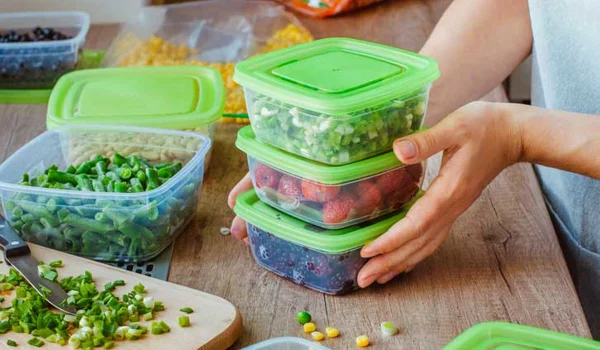
Prefer Glass Products: Glass products should be used for storing food and beverages instead of plastic materials.
Do Not Heat Food in Plastic: Plastic containers used for storing food should never be heated.
Avoid Direct Contact: Hot foods should not be placed directly in plastic containers.
Microwave Caution: Plastic containers that are used for heating in microwave ovens should not be used for heating and cooking because BPA transfer increases.
Informed Approach for IVF Success
Especially, women who are preparing for IVF treatment should avoid environmental pollutants and endocrine-disrupting chemicals. By taking a series of precautions before and during treatment, the chances of success can be maximized, and strong support can be provided for the healthy development of embryos.
In this critical process, the correct guidance by experienced doctors and embryologists is of great importance.