

How to Prevent Nausea and Stomach Problems During Pregnancy? Golden Tips for Expecting Mothers
Hormonal changes during pregnancy; such as nausea, fullness in the stomach, burning sensation, bloating, and gas, often accompany these symptoms. These conditions, which can sometimes negatively affect the quality of life, can be very challenging for expectant mothers.
Prof. Dr. Duygu İbrişim, a specialist in Internal Diseases and Gastroenterology, shared the ways to cope with common stomach problems during pregnancy and the things to pay attention to during this process.
Emotional Mood Swings Affect the Digestive System
Pregnancy is a period in which women are more sensitive emotionally and experience more stress. Since the digestive system is directly affected by the emotional state, stress and anxiety can trigger stomach problems. These symptoms, which are more common in the first three to four months of pregnancy, are usually mild to moderate and can be alleviated with lifestyle changes.
When to Seek Medical Help?
In some cases, nausea and vomiting can reach a very severe level. In cases of hyperemesis gravidarum, in which the mother's and baby's feeding is threatened, close medical monitoring and support with intravenous fluids and medication in a hospital setting are necessary.
How to Relieve Stomach Discomfort During Pregnancy
To minimize stomach problems and make the pregnancy process more comfortable, you can follow these steps:
Maintain a Regular Lifestyle: Pay attention to your sleep routine from the moment you find out you are pregnant and get enough rest.
Avoid Harmful Habits: Do not use alcohol, cigarettes, or any medication without your doctor's approval.
Don't Skip Breakfast: Starting your day with a balanced breakfast helps to balance stomach upset throughout the day.
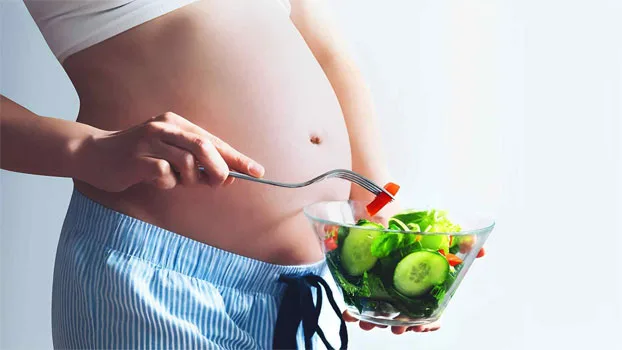
Eat Small Meals Frequently: To avoid overloading the stomach, consume your meals in small portions and frequently.
Choose Foods That Soothe the Stomach: Include foods that won't strain your stomach, such as white bread, plain pasta, and boiled potatoes.
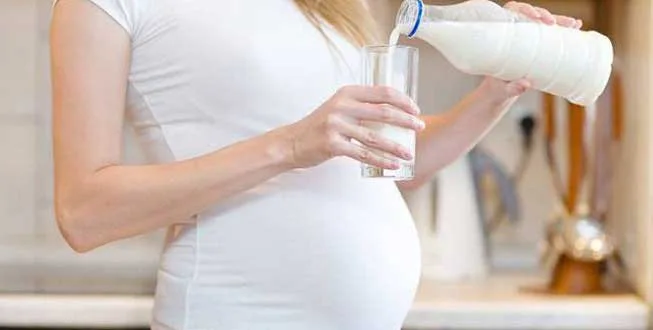
Drink Plenty of Water: Staying hydrated supports your overall health and helps the intestines function properly.
Eat Dinner Early in the Evening: Especially in the later months, eat dinner early in the evening and slightly elevate your head to relieve heartburn.
Foods to Avoid
Fatty, spicy, and gas-producing foods and foods with strong odors can trigger nausea. Sometimes, you may feel uncomfortable with the smell of the food you prepare yourself; in such cases, having someone else prepare the food can make the process easier.
In addition, light exercises such as walking and swimming, with your doctor's approval, can regulate your digestion and help you relax both physically and mentally.
Frequently Asked Questions (FAQ)
When does nausea during pregnancy go away?
Nausea and vomiting during pregnancy usually subside and disappear towards the end of the first trimester (first three months).
What to do for heartburn during pregnancy?
Eating small, frequent meals, eating dinner early in the evening, and avoiding fatty and spicy foods can help relieve heartburn.
Which foods are good for the stomach during pregnancy?
Light foods such as white bread, boiled potatoes, legumes, crackers, and plenty of water can help alleviate stomach upset.