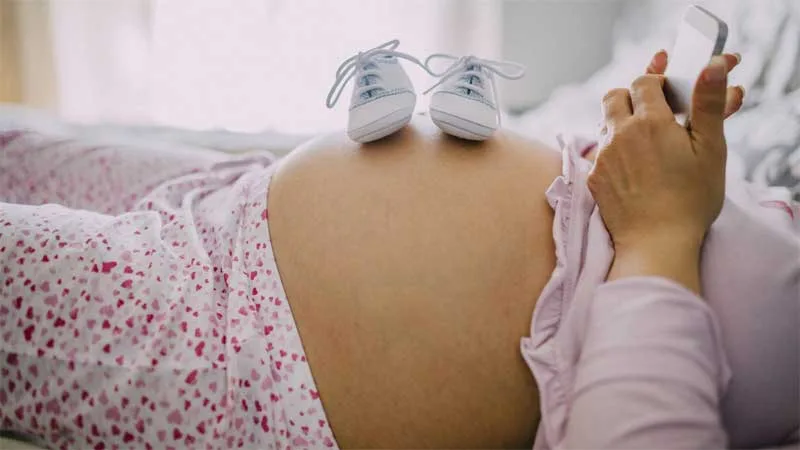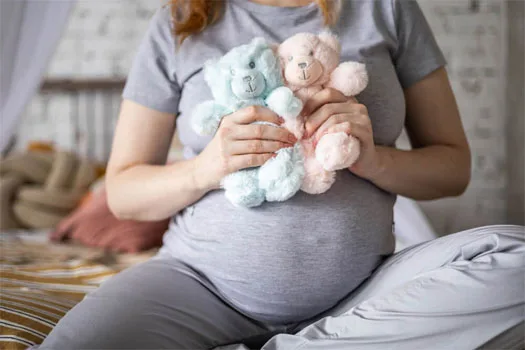

When a woman carries multiple fetuses, this is called a multiple pregnancy. Multiple pregnancies are most commonly twins. There are two ways twins can occur. In one, two separate eggs are fertilized, resulting in twins; in the other, a single egg is fertilized and then divides into two, resulting in identical twins. Identical twins are very rare, occurring in about 1 in 100 pregnancies.
From the moment of conception, your body begins to produce hormones and undergo physical changes. These changes can be an early sign of pregnancy. In addition, if you are expecting multiple babies, some of these signs may be different.
Many people who have twins report feeling a sense of anticipation or intuition before they are even confirmed pregnant. However, for many others, the news is a complete surprise.
The following signs often indicate that you may be pregnant with twins from the early weeks of pregnancy.

|
Contents: How to Recognize Twins?
|
1. What are Twins?
A multiple pregnancy is when a woman carries two or more fetuses in the womb. This is a rare condition that can be caused by a variety of factors, including family history, fertility treatments, or other medical conditions. Healthcare providers can often detect twins early on using ultrasound. Multiple pregnancies increase the risk of complications for both the mother and the fetuses, so more frequent prenatal care is necessary.
How likely are you to have twins?
One type of multiple pregnancy, called fraternal twins, occurs when two separate eggs are fertilized. The chances of having fraternal twins are about 1 in 250 pregnancies.
What are the signs of multiple pregnancy?
There are a number of signs that can indicate that you are pregnant with multiples. However, it is important to note that having these signs does not necessarily mean that you are pregnant with twins.
One reason why some women experience nausea and vomiting in early pregnancy is because their hormone levels are changing. However, this is not always the case, and there are other factors that can contribute to nausea and vomiting, such as stress, diet, and medications.
Some women who are pregnant with multiples report experiencing more severe or prolonged nausea and vomiting than they experienced during their previous pregnancies. This can be due to a number of factors, including the increased demands on the body and the hormonal changes that occur during pregnancy.
If you are experiencing severe or prolonged nausea and vomiting during your pregnancy, it is important to talk to your doctor. This could be a sign of hyperemesis gravidarum, a condition that can cause dehydration and malnutrition.
2. Feeling of Being Tired is More Common in Twins
Feeling tired is a common symptom of early pregnancy. In the first few weeks, you may start to feel very tired due to the increased demands on your body. This can be due to a number of factors, including hormonal changes, sleep disturbances, and increased physical activity.
However, it is important to note that feeling tired does not necessarily mean that you are pregnant with multiples. If you are feeling very tired, it is important to get plenty of rest, eat a healthy diet, and avoid stress.
3. Signs of Twins
Some of the signs that can indicate that you are pregnant with twins include:
- Early fetal movement
- Multiple fetal movements
- Fundal height is greater than expected for the gestational age
- Weight gain
- High levels of hCG or AFP
- Fetal heartbeats detected by Doppler
4. How to Get Pregnant with Twins
There are a number of factors that can increase your chances of having twins, including:
- Age: Women over the age of 35 are more likely to release multiple eggs during ovulation.
- Family history: If you have a family history of fraternal twins, you are more likely to have twins.
- Fertility treatments: Fertility treatments such as IVF can increase the chances of having twins.
- Obesity: Women with a BMI of 30 or higher are more likely to have twins.
- Previous pregnancy: If you have had twins before, you are more likely to have twins again.
5. IVF Increases the Chances of Twins
Fertility treatments can increase the chances of having twins. This is because they can cause the ovaries to release multiple eggs.
How long does it take to get pregnant with twins?
A full-term pregnancy is 40 weeks. Twins pregnancies are typically shorter, ranging from 35 to 36 weeks.
Early delivery is a risk with twins, so it is important to get regular prenatal care.

|
Contents: How to Recognize Twins?
|
6. Risks of Twins
What are the potential complications of twin pregnancies?
Some of the potential complications of twin pregnancies include:
- Anemia
- Congenital abnormalities
- Gestational diabetes
- High blood pressure
- Fetal growth restriction
- Oligohydramnios (low amniotic fluid)
- Placental abruption
- Premature labor
- Polyhydramnios (excess amniotic fluid)
- Twin-to-twin transfusion syndrome (when one twin receives too much blood from the other)
If you are pregnant with twins, it is important to get regular prenatal care. This will help to ensure that both you and your babies are healthy.
How to Tell if You're Having Twins?
If you are wondering how to tell if you are having twins, here are some signs to look out for:
- A family history of twins
- A BMI of 30 or higher
- Taking fertility treatments
- Feeling nauseous and vomiting more than usual
- Feeling more tired than usual
- Having multiple fetal heartbeats detected by Doppler
If you are concerned about the possibility of having twins, it is important to talk to your doctor. They can perform a physical exam and order tests to determine if you are pregnant with multiples.