

Dr. Kayhan Near, a newly-born woman who answered this question that she was wondering.
Ç Starting to process Increases Pregnancy Possibilities
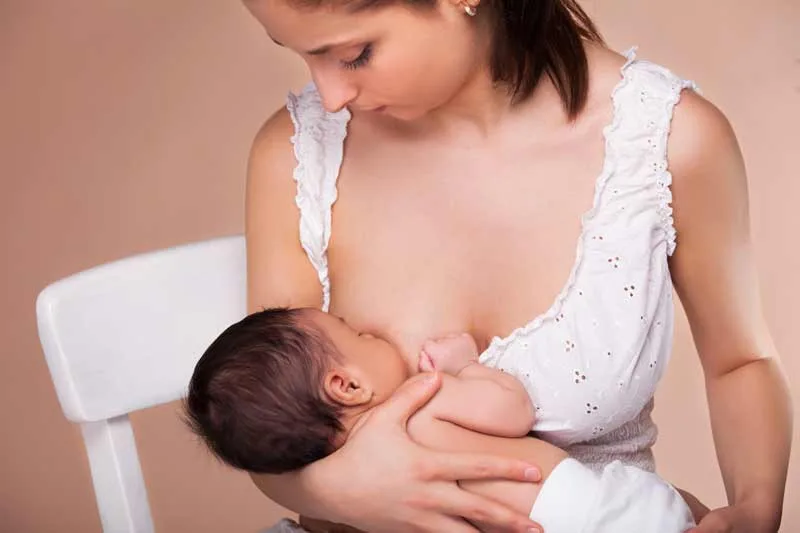
The breast-feeding is a form of prolactin, which is released by the body and is not able to produce eggs in the ovaries, but the prolactin hormone that provides the growth of the ovaries ç the pressure of the ovaries to be developed and the ovaries do not develop in the womb, so the period is not bleeding either g&oum;result; it is not: how much shouml it will be developed.
Some women have sü (re) and hiç although they have no menstrual bleeding; some women have a half-year after birth, although breast-feeding, their ovaries begin çre begins to interact. This süThe length of the breast-feeding is often and s&huml; although they are associated with the real one, çok changes gö sometimes they are born to a göorms are born by a staged pregnancy; sometimes because they are breast-fed by a staged pregnancy;&oluml;<<>>>D>D>Dl>Dl>Dl>AG>Dl>Dl>Dl>Dl>Dl>Dl>AGl>Dl>DlNlNl>DlNlNlNlNlNlNlNlNlNlNlN;AGlNlNlNlNlNlNlNlNlNlNlNlNlNlNlN;;A.;A;A.;AGlN;A:AB;AGlNlNlN;AGlNlNlNlNlNlNlNlNlNlN;AB;DlN,>DlNlN.>DlNlNlNlNlNlNlNlNlNlNlNlNlNlNlNlNlNlNlNlNlNlNlNlNlNlNlNlNlNlNlNlNlNlNlNlNlNlNlNlNlNlNlNlNlNlNlNlNlNlNlNlNlNlNlNlNlNlNlNlNlNlNlNlNlNlNlNlNlNlNlNlNlN
So, women need to be protected from pregnancy after a month and a half after birth.
In what circumstances are you asking?
The breastfeeding can be 99% successful in preventing pregnancy. But the success rate of this success should be met. The mother should not use additional food and water to feed the child; the breast feeding intervals should not be more than 6 hours after the loss of logistics.
Here are the other Öthe most important conditions:
The first 56 gü after childbirth; n hari&ccell; no vaginal bleeding.
The breastfeeding should be the only feeding source of the baby. The pump should not be used, not even water should be given.
The third pacifier should not be used. The baby needs to be sedated; breastfeeding should be preferred.
The 4th breastfeed must be as frequent and as long as possible. Breastfeeding must not be applied at scheduled intervals. The baby must be breast-feeded whenever the baby wants.
The 5th baby must sleep with the mother at night. However, studies that are conducted should include “ani doll öi&huml;m&dquo; the increase in sleeping in the same bed and the increase in sleep and the increase in the amount of sleep; either necessary &oluml; or the immunizations should be taken or put to bed by a separate baby.
The mother must be allowed to sleep with the baby at intervals. The mother's touch relationship with the baby increases the amount of prolactin hormone.
The mother should take care of the child as a primaryr. The long care of the baby may be a way for the mother to walk away from the baby.
I mean, there's no "S<i>TKurker" or "A Gerç" or "No"!
But büt¨n though these are met, at least y¨remember that there are six failures in each of these. <i>The sensitivity of the ovaries can be different sometimes (start, breast &ccellable;i.e., if they start to get pregnant, they can also use a different form of examination;i.e., if they have a different method, if they do not use this method, they can use this method by using a different method of consultation. ç.