|
|
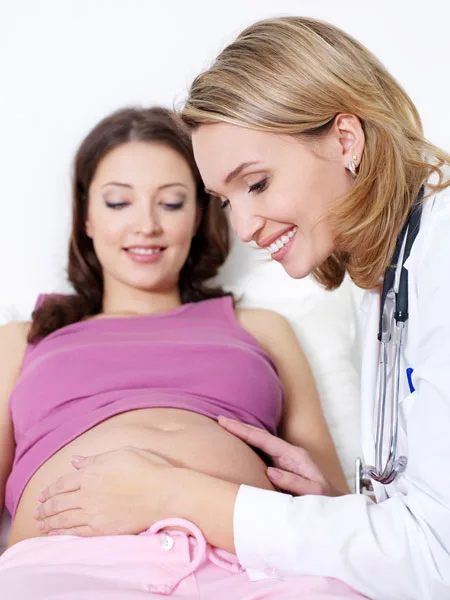
Regular checkups in pregnancy are vital to both the mother and the baby's health.Many complications that could threaten the mother and baby's life through advances in medical technology and knowledge. The first few weeks of pregnancy are determined by three simple methods; the story of the mother candidate, the blood work and ultrasound examination. The female disease and obstetrician Prof. Dr. Lütfü Davoglu explained what health problems can be detected in both the mother and the baby.
|
|
Every pregnant 12th week, she must have this examination!
The pregnancy chase, which was created a century ago, was launched in the 16th week, and routine follow-up once a month was usually followed every two weeks after 30 weeks, and then one a week after 36 weeks, due to various complications, such as pregnancy poisoning (preeclamation) and sudden bleeding, followed by the second half of pregnancy.
Prof. Dr. Lütfü Önderoğlu, a specialist in Women's Diseases and Obstetrics, said that with a single examination between the 11th and 14th weeks, the mother and baby could be separated as a low or high risk group:
Especially after the first three months of checking, the next time you have to do a personal and needy re-planning of maintenance programs, it's both mother and baby-saving, because health care is more efficient and efficient.
When risky groups are determined early, pregnancy losses, prenatal bleeding, prenatal retentions, preeclamation, and Down Syndrome can be detected, preventing or reducing problems, so it is important that each candidate comes to check in at 12 weeks, best of all, in the 12th week.
Three Musketeers of the examination: Family Story, Blood Test, Ultrasound
1. The Story of Mother
The first step in the examination is to give the mother candidate early or dead birth in previous pregnancy, pregnancy blood pressure, pregnancy
They ask if there are any problems with the poisoning, the baby's not growing well in the womb, if she's given birth. It takes a complete story. Acquisition of the mother's story; offering the chance to select and take precautions for mother candidates who are at high risk and who are in danger of being born 34 weeks ago.
2. Blood Study
The mother candidate's blood type, RH factor and full blood count, as well as the study of infections that she's had, as well as some special hormone and placental proteins related to this period, are considered as mother-to-mother and pregnancy weeks. combined The first three months test can be done, and the test results in the probability account, and the mother candidate's chromosome anomaly baby is born.Preeclampsia and the preeclampsia of growth related to this determines the risks in numerically. The distinction between those with very high risk and the low risk of pregnancies is also allowed. To get the best results from the first triester blood test, this test is combined with some special measurements on the baby that are being looked at with ultrasound.

3. Ultrasonography
11-14 weeks.
The ultrasound and pregnancy are available in many ways, especially during this period when the measurement of the entrail transparency is combined with the biochemicals of the first trimeter scan and if necessary, the heart. The uktus venosus doppler doppler measurements, as well as the evaluation of the carotid caps, and the chances of predicting significant chromosome anomalies such as down syndrome in the baby are up to 90 percent. At the same time, early in the baby, anencephaly from major structural anomalies can also be seen in the abdominal front wall anomalies, bladder and heavy neurological systems anomalies.
What Risks Are Being Identifyed?
Prof. Dr. Lütfü Önderoğlu has been identified and treated for the first three months of pregnancy Expenses or damages that can be eliminated He lists the risks that are greatly mitigated:
Mom What's your candidate's name? Looking?
Pregnancy hypertension:
The mother candidate's blood pressure is 140/90 mmHg and with a kidney-to-spire protein leak. Preeclampsia, or preeclampsia, can cause severe brain bleeding, visual loss, kidney and heart failure, to death. The risk of premature growth and development in the womb is increasing, and the risk of early departure of placenta is increasing.
Risk of premature birth To Measure
In particular, the births of the baby are caused by the deaths of the baby and the sustained neurological damage. It is considered the most important problem today, the first pregnancy, the early birth, the opening of the early water pouch, and the first time that the baby was pregnant, the first time that she was born, she was born in the first place, and the first time she was born, she was born in the first place, she was born in the first place, and she was born in the first place, and she was in the first place, she was in the first place, and she was in the first place, she was in the first place, and she was in the first place, and she was in the first place, she was in the first place, and she was in the first place of her mother, and she was in the first place of her mother, and she was in the first place of her mother, she was in the first place of her mother, and she was in the first place of her mother, she was in the child, and she was in the first place, she was in the first place of her child, and she was in the first place of her mother, and she was in the first place of her mother, she was in the child, and she was in the first place of her mother, she was in the child, she was in the child, she was in the first place of her child, she was in the child, and she was in the first place, she was in the child, she was in the child, and she was in the child, she was in the first place of the first place of the child, and she was in the child, she was in the baby, she was in the child, she was in the first place of her child, and she was in the child, and she was in the first place, she was in the child, and she was in the child, she was in the first place, she was in the child, and she was in the first place, she was in the first place, and she was in the child, and she was in the child, she was in the first place, she was in the first place, and she was in the first place, she was in the first place, she was in the first place of the first place, she was in the womb, and she was in the first place, and she was in the first place, she was in the first place, she was in the first place, she was in the first place, she was in the first place of In the present pregnancy, the utero and sonographic tracking of the canal help detect pregnancies with high risk in this direction.

Risks in a Baby What Tests Are Being Tested to Identify?
Down Syndrome:
In 11 to 12 weeks, the results from the mother's age, blood work and ultrasound follow-up are combined, and the baby's chromosome is in the baby. The risk of anomaly can be detectedIf the baby is in the high risk group, for example, if the risk of down syndrome is around 1%. The proposed coryon villus biopsy allows early chromosome analysis, and with this first trimester scan, chromosome anomalies are estimated at 90 percent.
Fetal anomalies
11-14 weeks sonograms and a significant portion of major anomalies can be recognized, such as the baby's skull and brain. The problem with growth in tissue, the opening in the abdomen, the hernia, the bowel, the liver, the obstruction in the bladder or the giant. A bladder can be detected, and there are also preconceptions on the osteoporosis of heart anomalies that can be shown later in pregnancy, and the skeletal system anomalies that can be traced closely.
Growth and development Regression
Postpartum apologies can also develop as a result of inadequacy and growth.Predictive detection of these babies, a different follow-up, and birth decisions that could be made earlier if necessary, mother and baby. They can survive.
|
|