
27 May 2011
Publication Date
17 November 2026
Last Updated
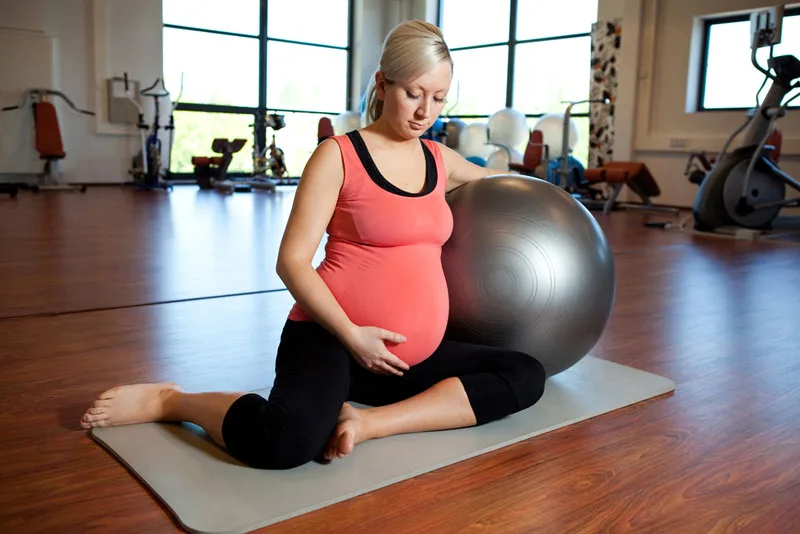
Can you exercise during pregnancy? Experts say that moderate, regular exercise, when safety precautions are taken, can help maintain cardiovascular fitness and reduce musculoskeletal problems that can occur during pregnancy. In recent years, women's interest in various exercise programs has increased, and this activity has made it possible to continue these activities during pregnancy, especially due to the increased desire to exercise for aesthetic reasons during this period. Experts say that inactive lifestyles are the cause of difficult births. There is a lot of evidence that physically active women give birth more easily. In today's world, it is known that women who work in the fields have easier births.
Can you exercise during pregnancy? Experts say that moderate, regular exercise, when safety precautions are taken, can help maintain cardiovascular fitness and reduce musculoskeletal problems that can occur during pregnancy. In recent years, women's interest in various exercise programs has increased, and this activity has made it possible to continue these activities during pregnancy, especially due to the increased desire to exercise for aesthetic reasons during this period. Experts say that inactive lifestyles are the cause of difficult births. There is a lot of evidence that physically active women give birth more easily. In today's world, it is known that women who work in the fields have easier births.
Important recommendations from experts:
Do not start exercising without the permission of your obstetrician.
Regular consultation with your obstetrician is very important for your health and the health of your baby.
Pay attention to your diet during exercise.
Monitor your heart rate and body temperature during exercise.
Walking and swimming are safe activities that can be done during pregnancy, as determined and approved by your doctor.
What changes can you see in your body during pregnancy? Pregnancy is a long process that causes physical, hormonal, and psychological changes in a woman's body. Hormonal changes in the musculoskeletal system cause certain changes during pregnancy. The connective tissue loosens and joints can become more vulnerable to injury.
Especially swelling in the hands and feet, carpal tunnel syndrome, and tarsal tunnel syndrome can occur. The pressure and displacement of the growing uterus on the pelvic floor can cause the pelvic floor to drop 2.5 cm. If the pelvic floor is not properly supported during this period, problems such as urinary incontinence, prolapse of pelvic organs, and sexual dysfunction can occur.
#Advertising
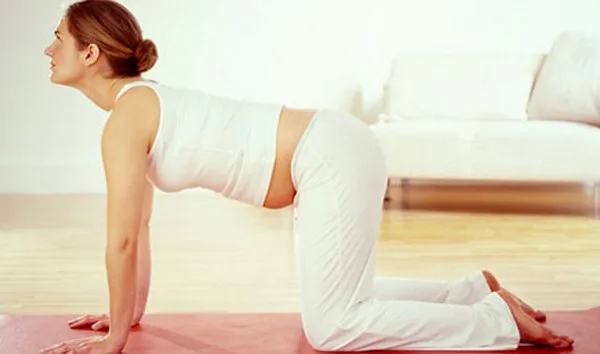
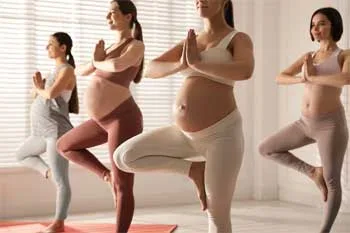
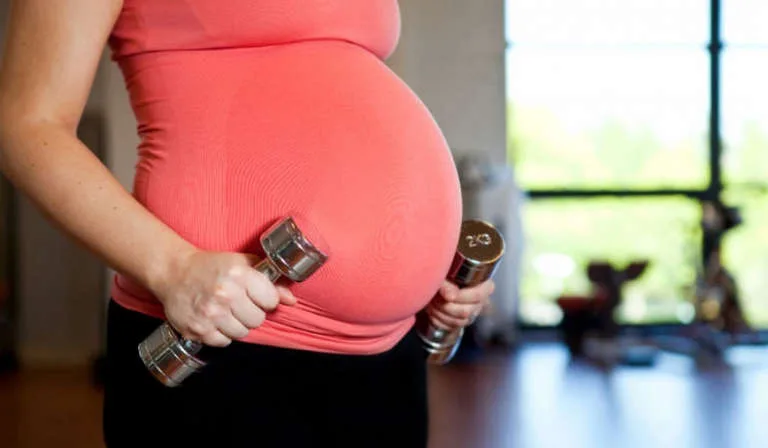
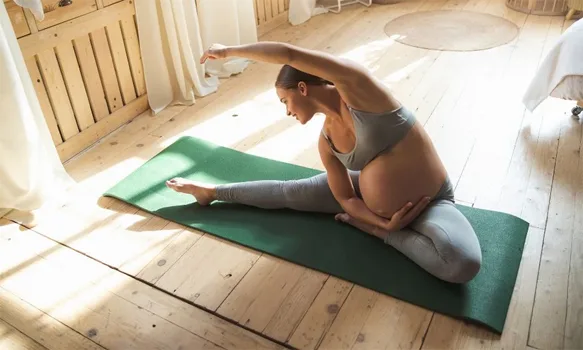
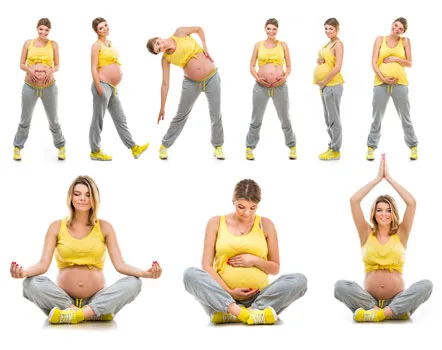
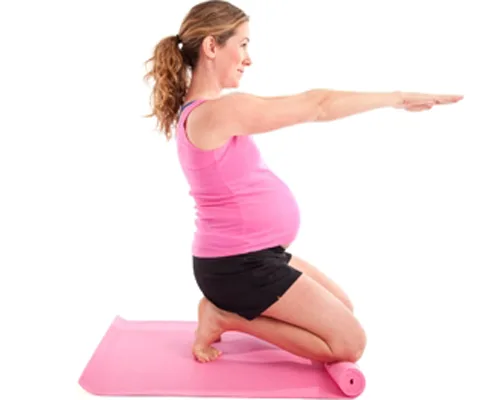
What exercise is suitable for pregnancy? A pregnancy exercise program begins with proper posture and breathing training. Appropriate body movements are taught. It is important to strengthen the muscles of the arms for childcare after birth. Exercises that strengthen the arm muscles should be done. You should be informed about edema, varicose veins, and cramps before exercising. Your trainer will give you exercises to control the pelvic floor muscles. Aerobic exercise is recommended to maintain cardiovascular health. This strengthens the muscles that will be used during childbirth. Relaxation and breathing training is also provided.
#Advertising
Important recommendations from experts:
Do not start exercising without the permission of your obstetrician.
Regular consultation with your obstetrician is very important for your health and the health of your baby.
Pay attention to your diet during exercise.
Monitor your heart rate and body temperature during exercise.
Walking and swimming are safe activities that can be done during pregnancy, as determined and approved by your doctor.